Route Guide Failures Stay Elevated in 2026 — What Small Fleets Should Do
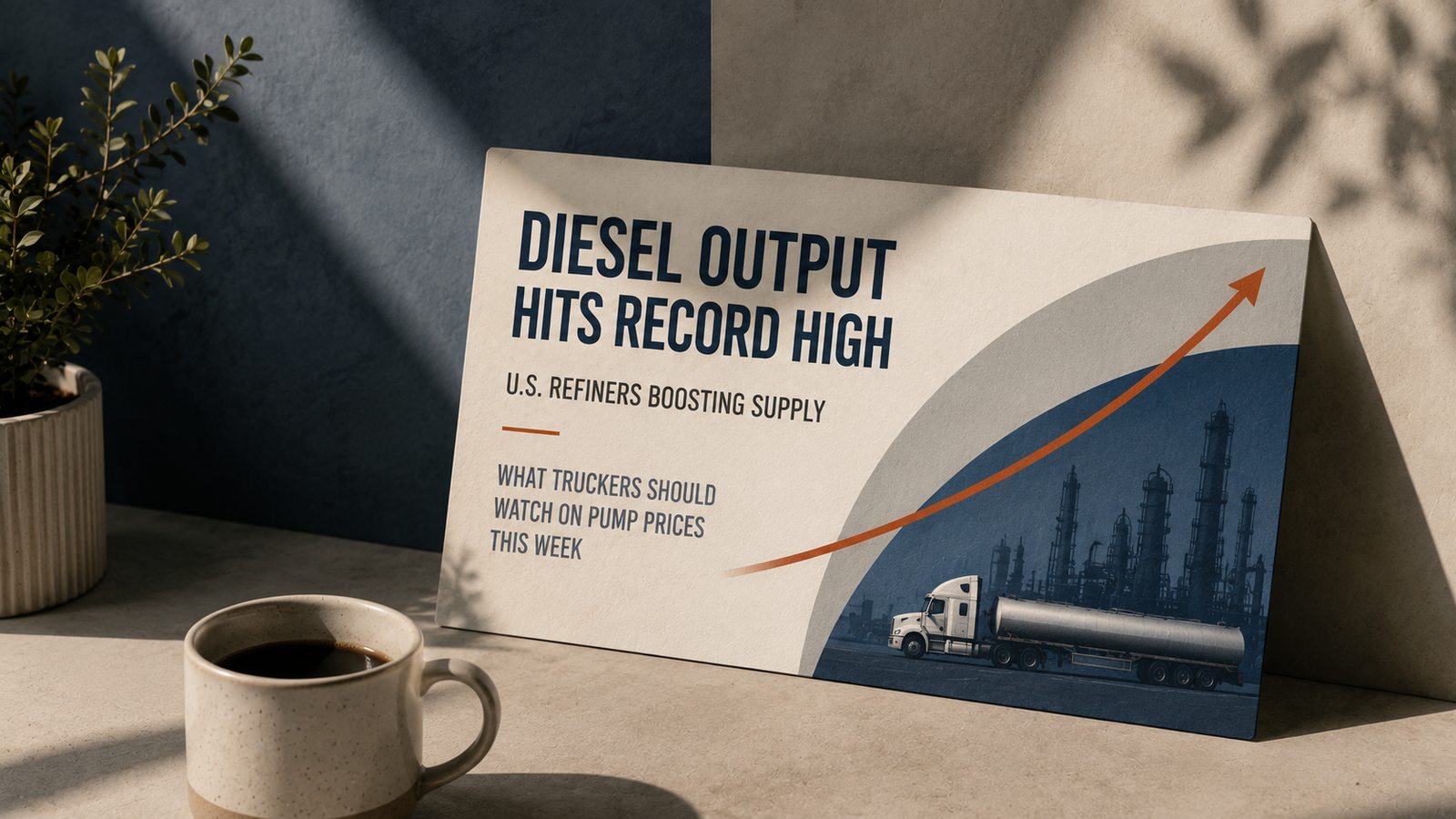
Route guide failures dropped after the July 4 rush, but they are still high enough in 2026 to keep contract freight shaky. C.H. Robinson said failures fell from a 7.5% peak during the week of July 4 to some of the softest levels in the past three months, yet the current level remains significantly higher than past years. For a 3–50 truck fleet, that usually means one thing: more last-minute freight moves, more backup coverage calls, and more ways to give margin back if lane planning gets sloppy.
Why it matters
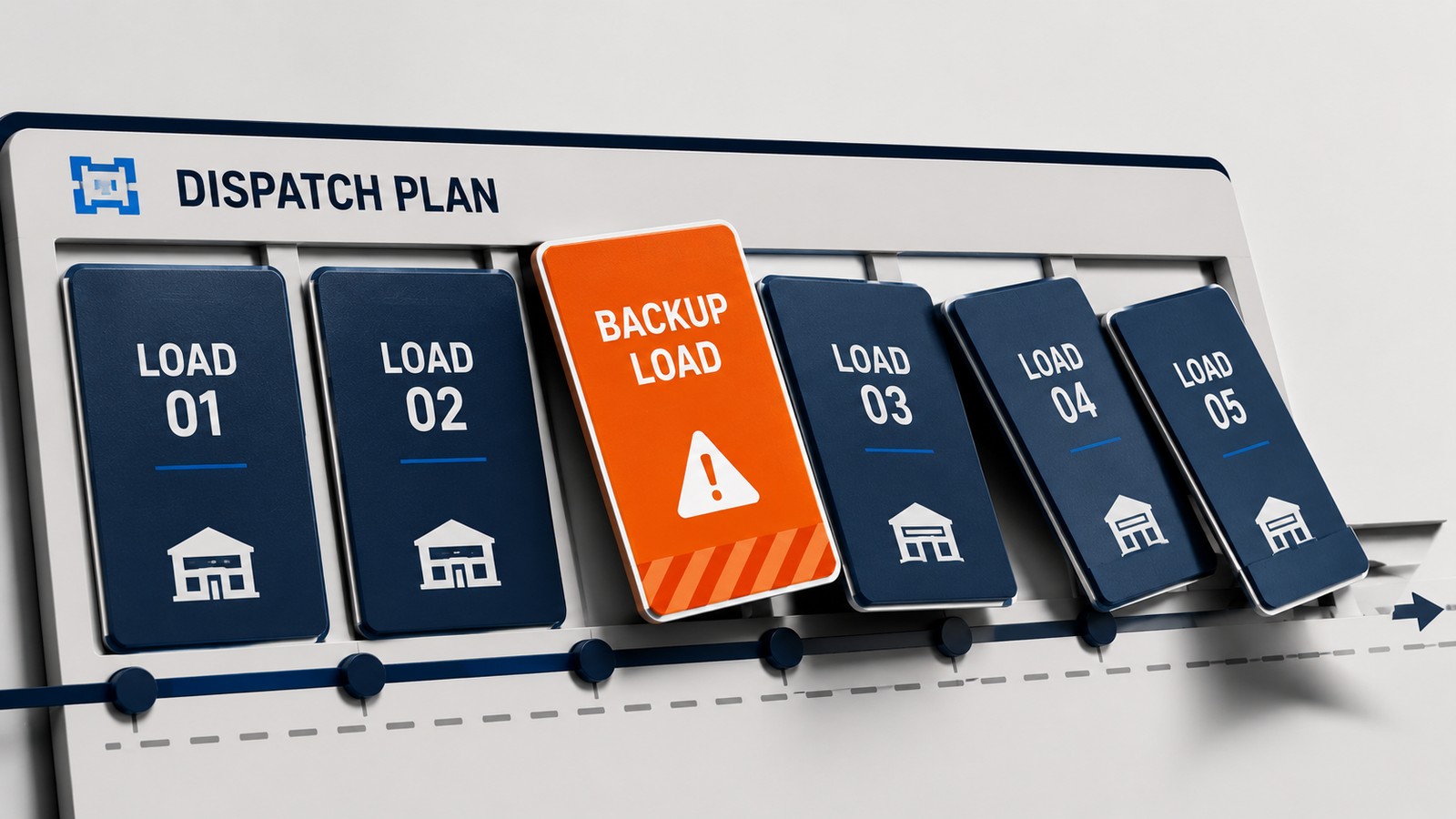
When route guide failures stay above normal, contract freight stops acting like contract freight. A shipper tenders a load, the primary carrier says no, and that load starts rolling down the backup list. By the time it reaches a small fleet, the pickup window often looks tighter, the delivery risk looks higher, and the lane rarely matches the neat plan dispatch built the day before.
That spillover can create opportunity, but it can also trap a fleet into chasing freight that looks good for five minutes and bad by the end of the day. Most small carriers feel it in two places first: loaded miles that come with ugly repositioning, and dispatch time lost trying to rebuild the board after a single missed tender changes the whole day.
What lane signals tell you a contract load may fall apart
A lot of guys watch the posted load and miss the story behind it. If a lane suddenly pops up with unusual urgency right after a holiday week, or the appointment window looks tighter than normal, there’s a decent chance that load already bounced through part of a route guide before it ever hit the open market.
That matters because tender fallout changes the real math of a load. The linehaul may look fine, but the hidden cost shows up in dwell, rushed pickup timing, and the backup reload a dispatcher has to find after the original plan gets thrown off.
For small fleets, the cleanest move is usually lane-based triage. Keep a short internal list of repeat lanes where contract disruption tends to spill into the spot market, then separate them into three buckets:
- Lanes that fit current truck position with minimal extra miles
- Lanes that work only if reload options stay nearby
- Lanes that look attractive on paper but drag trucks too far off the next planned move
This is where a fleet routing tool helps without turning the operation into a science project. In Trucker Path, dispatch can see truck position, build route preferences, and keep drivers on commercial routes that account for truck limits, real-time traffic, and last-mile delivery needs. That makes it easier to judge whether a “hot” backup load actually fits the week instead of just filling an empty screen.
How can a 3–50 truck fleet protect margin when tenders start missing?
Most margin leaks during route guide failures come from reaction time. The first load falls apart, dispatch grabs a replacement fast, and nobody stops long enough to ask what that replacement does to the next load, the next fuel stop, or the driver’s next appointment window.
A tighter routine helps. Many small fleets run this as a three-check process before accepting backup coverage:
- Check how far the truck has to reposition before pickup.
- Check whether the delivery pushes the truck away from planned reload country.
- Check whether the timing leaves room for normal delays instead of perfect-world timing.
If one of those three breaks badly, the load can still work, but it stops being a simple yes. It becomes a board decision.
Dispatch teams also get more value when they plan around fallout in clusters, not one load at a time. If two or three trucks are operating in the same region, keep one truck closer to flexible coverage and keep another committed to the cleaner contract plan. That kind of split lowers the odds of blowing up every truck’s schedule because one tender missed.
On the management side, Trucker Path can help keep that split visible. The manager console, live tracking, dispatch tools, and fuel-card or ELD integrations give a small office one place to see where each truck is, which truck can cover a late-breaking load, and which reassignment adds too much waste. The point is not more software. The point is fewer rushed decisions when freight starts bouncing around.
When does commercial routing matter more than the rate on the screen?
Usually when the lane is already unstable.
A backup load that comes out of route-guide disruption often carries a narrow service window. That means one bad turn through a city, one low-clearance surprise, or one last-mile mistake can turn a decent run into a service failure. The lane that looked strong at booking can turn weak once traffic stacks up or the final approach takes longer than planned.
That is why route planning matters more this week than a lot of fleets realize. Commercial navigation with truck routing, weight and low-bridge avoidance, real-time traffic, and configurable avoid zones gives dispatch and drivers a cleaner picture before the truck rolls. As always, local signs and conditions still matter, so drivers need to verify locally, especially near final delivery.
The practical takeaway is simple: when route guide failures stay above normal, clean execution beats aggressive load grabbing. The fleets that keep margin are usually the ones that say yes to the right backup freight and no to the freight that drags a truck into a bad next day.
Frequently Asked Questions
Are route guide failures still a problem if they already came down from the holiday spike?
Yes. C.H. Robinson said failures eased from the July 4 peak, but the current level is still significantly higher than previous years. That means contract disruption is cooler than it was during the spike, not fully back to normal.
What does a higher route-guide failure rate usually mean for small fleets?
It often means more backup coverage calls, tighter pickup windows, and more loads reaching the spot market after the original contract plan broke. Small fleets can find opportunity there, but the planning risk goes up fast if trucks have to reposition too far or reload options dry up.
How do dispatchers spot tender fallout before it hurts margin?
Most of the clues show up in timing and fit. Loads that appear with unusual urgency, narrow service windows, or awkward pickup timing after a disrupted week often need closer review before dispatch commits a truck.
What’s the biggest mistake fleets make during contract disruption?
They solve the first problem and create the second one. A replacement load can look fine by itself, then wreck the next day’s reload, fuel plan, or appointment timing once the truck is committed.
Can routing software actually help with route guide failures?
It can help dispatch see the real cost of the “backup” plan before a truck moves. A tool like Trucker Path gives small fleets commercial routing, live truck visibility, and route controls in one place, which helps when a dispatcher has to compare coverage options quickly.
Summary
- Route guide failures cooled from C.H. Robinson’s 7.5% July 4 peak, but they remain above normal historical levels.
- For small fleets, that usually means more tender fallout, tighter pickup windows, and more spot spillover this week.
- The real risk is not the load itself. It is the extra miles, timing pressure, and reload damage that come with rushed backup coverage.
- Lane triage, tighter reassignment decisions, and commercial route planning help protect margin when contract freight gets shaky.
If the board has felt jumpier than normal, plan the next backup load before it becomes a scramble.
Sources
Note: freight conditions and failure levels can shift week to week, so figures and lane conditions may have changed since publication.