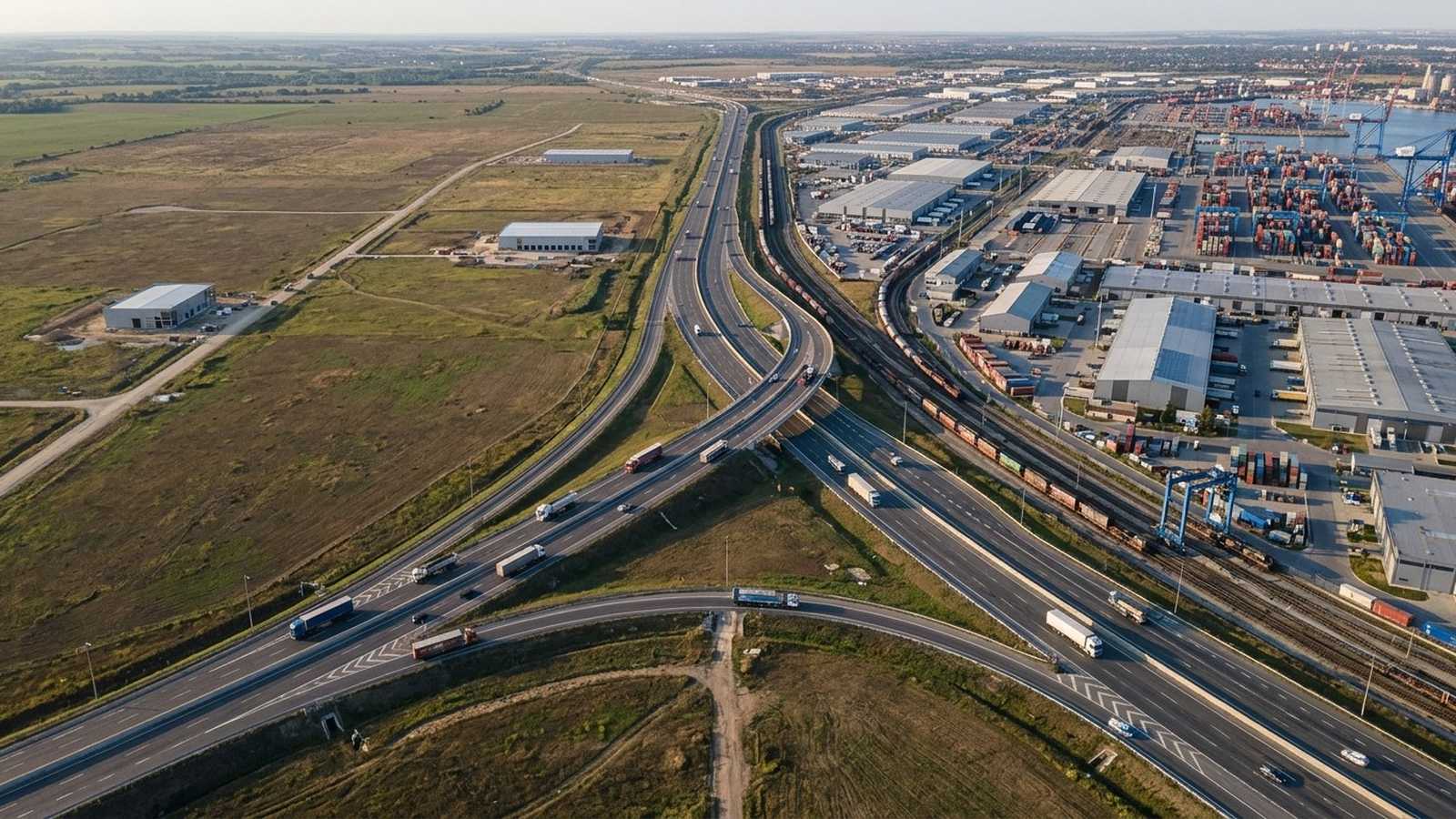
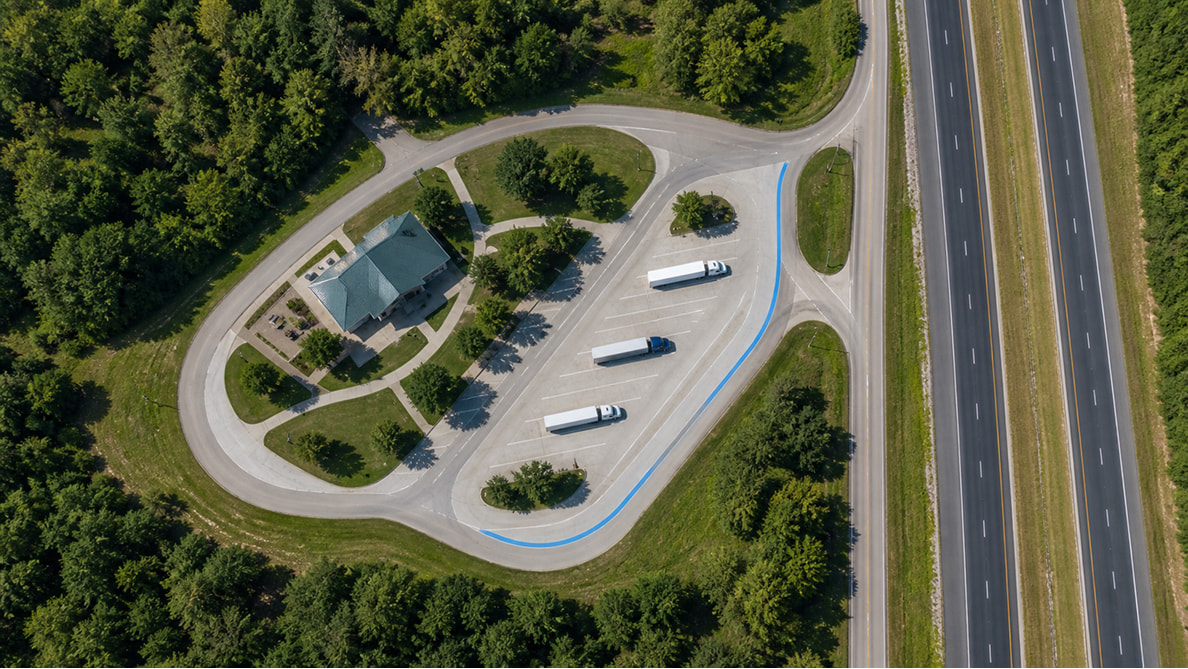
Best Paying Trucking Jobs: Where Drivers Earn More in 2026
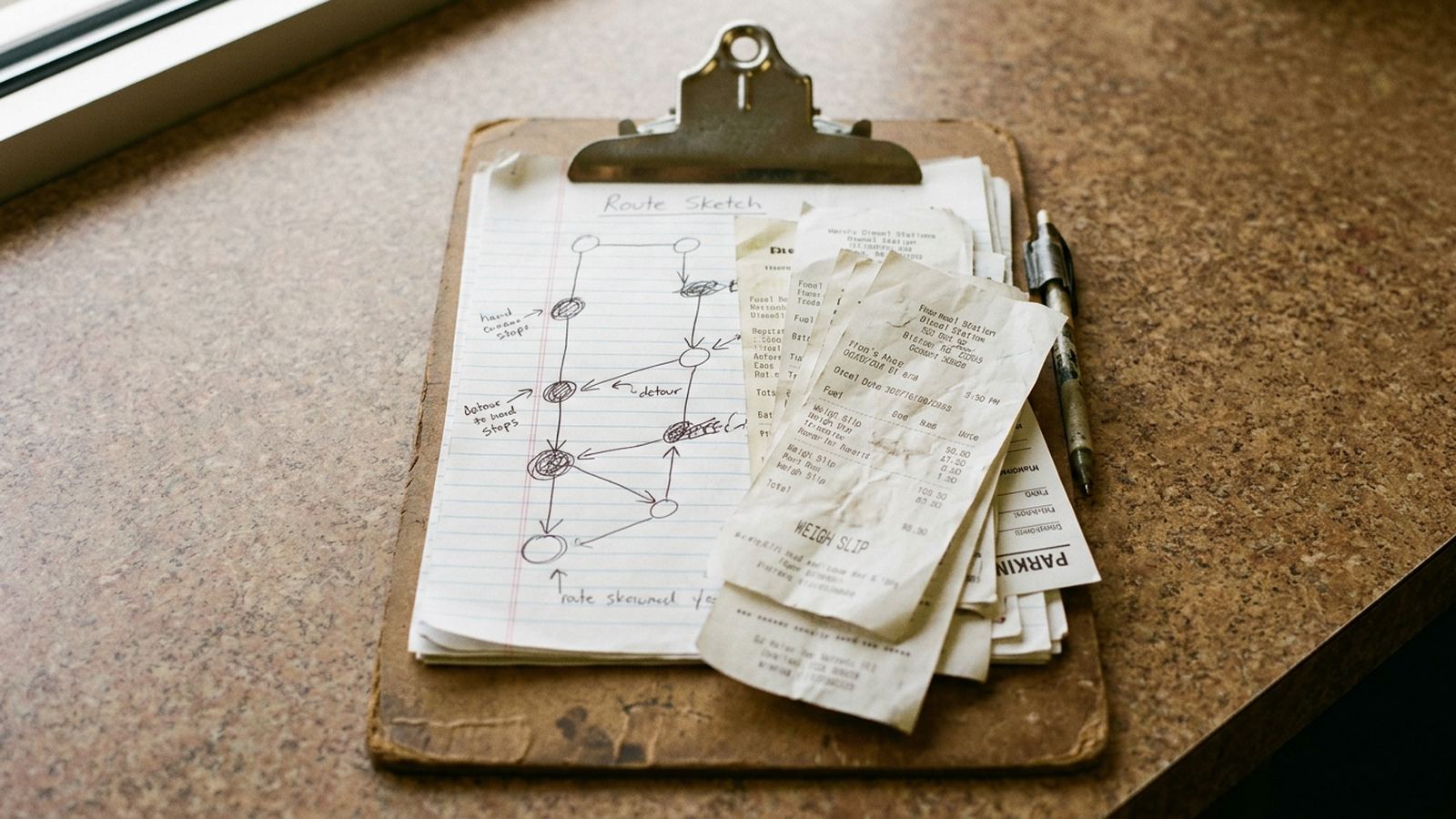
Best paying trucking jobs in 2026 usually sit in flatbed, tanker, hazmat, and owner-operator work, but the biggest posted rate still does not tell the whole story. A lot of drivers figure that out after one “high-paying” week gets chewed up by detention, deadhead, fuel stops, and an ugly parking hunt.
Picture two CDL drivers talking over coffee at a truck stop. One is looking at a flatbed lane with decent miles and regular reloads. The other keeps eyeing tanker and hazmat freight because the pay on paper looks stronger. Both are asking the same question: which lane actually leaves more money in your pocket by Friday?
Which trucking jobs usually pay more in 2026?
Most drivers searching for the best paying trucking jobs are really comparing four buckets: flatbed, tanker, hazmat freight, and owner-operator lanes. Those jobs tend to pay more because they ask for more skill, more risk tolerance, or more operating cost. Sometimes they ask for all three. For context, the median annual wage across all heavy and tractor-trailer drivers was $58,640 as of May 2025 — the specialty lanes above are the ones that typically land above that line.
Flatbed often pays up for securement work, weather exposure, and jobsite deliveries. Tanker work can pay more because liquid loads shift, unloading takes time, and the freight often needs a steadier hand. Hazmat adds endorsements, stricter customer requirements, and fewer drivers qualified to haul it. Owner-operators can gross more than company drivers, but they also carry the bills that a company driver never sees directly.
That is where a lot of guys get sideways. They compare one lane’s rate to another lane’s rate and stop there. Real pay comes after fuel, deadhead, waiting time, parking trouble, tolls, weather delays, and the simple fact that one route can run smooth while another burns half a shift in traffic and wrong turns. A lot of drivers use the same kind of trip check inside Trucker Path App before they commit, because the lane that looks lower on paper can still run cleaner over a full week.
Flatbed vs tanker vs hazmat vs owner-operator: where does the money actually stay?
Say Driver A takes flatbed freight in a lane with steady miles, easy reload timing, and decent parking near the receiver. Driver B jumps to hazmat tanker because the load pays more on paper, but his route pushes him through tighter metro areas, more restricted roads, and fewer legal places to shut down near the delivery. Driver B may still gross more, but he can also lose more time every single day.
Here is where concrete details matter. A flatbed stop may mean extra time throwing straps, checking edge protection, and dealing with tarps in bad weather. A tanker stop can mean sitting at a plant gate, waiting on a bay, then waiting again to unload. Hazmat can pay stronger, but some deliveries leave fewer nearby parking choices, so the clock keeps running while the driver looks for a safe place to stop. Owner-operators feel all of that plus fuel burn from every out-of-route mile. Looking at route shape, truck stops near the receiver, and likely deadhead with Trucker Path App gives a more honest picture than the posted rate by itself.
That is the part newer drivers miss. A faster lane with cleaner parking options and less route waste can beat a “higher-paying” lane that keeps chewing up hours. The best paying trucking jobs are often the jobs that let a driver keep moving without donating time to problems that never showed up on the rate confirmation.
What eats a good paycheck on the road?
Three things usually do the damage: fuel, parking, and route waste. Fuel is obvious if you run your own truck, but even company drivers feel it through weaker bonuses, tighter dispatch choices, and lower-quality loads when costs rise. Parking is the quieter money leak because every extra mile hunting for a spot cuts into drive time and usually adds stress right when the day is already shot.
Detention is another big one. A load can look great at pickup, then the driver loses a chunk of the day waiting at a shipper or receiver. The same thing happens when a delivery window leaves no practical truck parking afterward and the driver has to burn time relocating. None of that shows in the big number on the load. It shows up later in shorter miles, a missed reload, or a reset in the wrong place.
Route waste is where good money disappears fast. A bad truck route, weather trouble, city traffic, low-clearance detours, or a delivery window that leaves no good place to stop afterward can wreck a week that looked solid on Monday. The lane did not fail because the freight paid too little. It failed because the trip was built in a way that wasted hours. A lot of drivers keep Trucker Path App in that decision loop for truck-safe navigation, parking information, and fuel-stop planning before the week gets messy.
How do two CDL drivers choose between a higher rate and a better week?
Back to those two drivers at the counter. One picks the load with the bigger number attached to it. The other picks the lane with easier truck routing, better parking near the stop, fewer city miles, and a cleaner fuel plan. By the weekend, the second driver may feel like he worked a lot less for almost the same money, or in some cases, more money kept.
That does not mean flatbed beats tanker, or hazmat beats owner-operator, every time. It means the best paying trucking jobs depend on the kind of week a driver can repeat. A repeatable lane with fewer surprises often pays better over a month than a flashy load that burns time, patience, and operating cost.
Most drivers do better when they compare jobs in this order: freight type, route quality, parking access, fuel exposure, and then the rate. That order sounds backward until a rough week proves otherwise. When the route, stop timing, and parking plan already make sense in Trucker Path App, the paycheck usually has a better shot too.
Frequently Asked Questions
What are the best paying trucking jobs for CDL drivers?
In most cases, the better-paying trucking jobs are flatbed, tanker, hazmat, oversized, and certain owner-operator lanes. The right choice depends on more than the posted pay, because delays, route difficulty, and operating costs can change what actually lands in take-home pay.
Does hazmat pay more than regular dry van freight?
Hazmat often pays more because fewer drivers carry the endorsement and the freight brings tighter handling requirements. But hazmat can also limit routing and parking choices, so the higher pay on paper does not always mean the week runs better.
Is owner-operator still one of the best paying trucking jobs in 2026?
Owner-operator work can gross more than company driving on the right lanes. It also carries fuel costs, maintenance pressure, insurance, and empty-mile risk, so the stronger gross only matters if the operation stays efficient.
Do flatbed drivers make more than reefer or dry van drivers?
Flatbed often pays more than basic van freight because the work is harder and slower at the stops. Securement, tarping, weather, and jobsite deliveries all add labor, and that added labor is part of what supports the higher pay.
Do trucking load boards help drivers find higher-paying jobs?
Load boards can help drivers spot stronger freight, especially if they compare lanes instead of chasing one big number. TruckLoads is Trucker Path’s own free load board, and most experienced drivers still look at the full trip first, because a load with decent pay and efficient routing can beat a higher-paying load that creates extra fuel burn, deadhead, and parking trouble.
Summary
- The best paying trucking jobs in 2026 are often flatbed, tanker, hazmat, and owner-operator lanes.
- The highest-paying load on paper does not always bring the best take-home pay.
- Fuel costs, parking access, route quality, weather, traffic, unpaid waiting time, and deadhead can erase a good-looking week fast.
- A lot of drivers make better lane decisions when they compare the whole trip, not just the posted rate.
- The cleaner, more repeatable week often beats the flashy load over time.
Sources
- U.S. Bureau of Labor Statistics — “Heavy and Tractor-Trailer Truck Drivers,” Occupational Outlook Handbook, median wage data as of May 2025