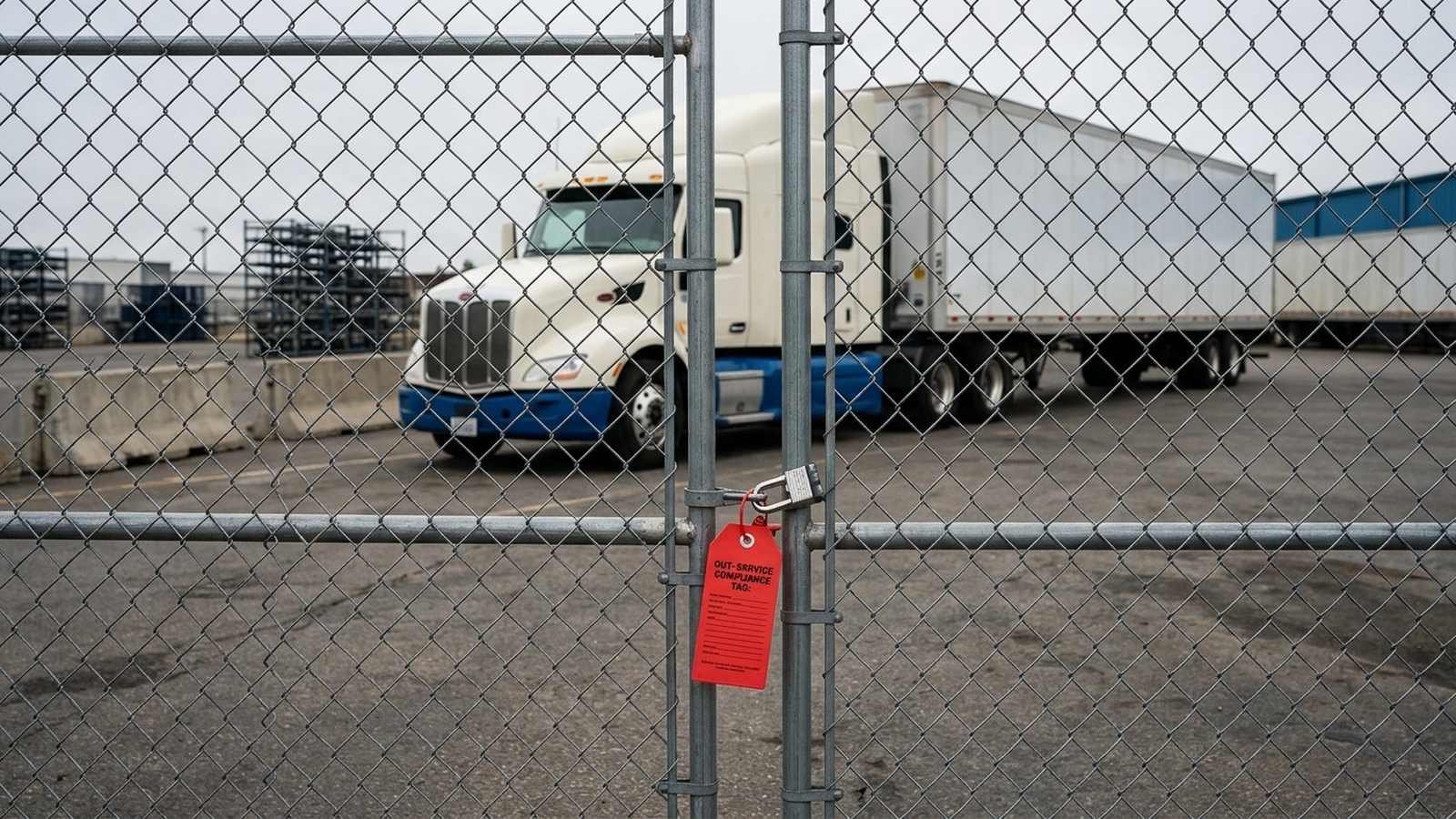
How to Avoid Cargo Theft on Long Hauls: Practical Steps
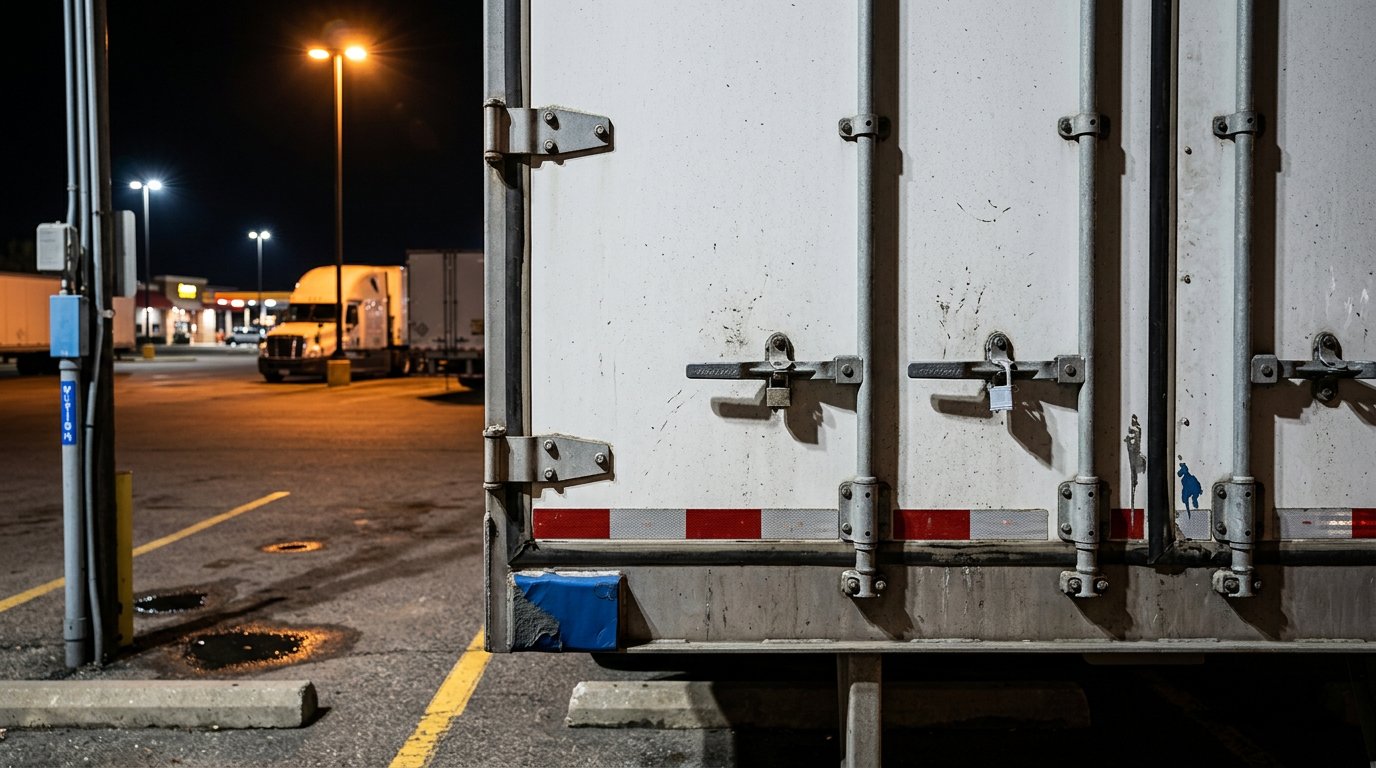
How to avoid cargo theft on long hauls starts with three plain habits: don’t stop too soon after pickup, plan parking before the clock gets tight, and check the trailer every time the truck stops. CargoNet’s 2025 Supply Chain Risk Trends Analysis and TSA’s highway-carrier security guidance both point drivers back to the same weak spots: pickup areas, parked equipment, and loads left unattended.
Ask any old hand and the story sounds familiar. The load gets picked up clean, the driver grabs fuel or food a short distance later, and that’s when the trailer gets watched, cut, or taken. Most drivers don’t need more theory on this. They need a routine that helps them spot bad situations early and avoid them before the damage is done.
What habits actually help avoid cargo theft on long hauls?
The first habit is simple: treat the pickup and the first stop like the hottest part of the trip. CargoNet’s Supply Chain Risk Trends Analysis has repeatedly flagged theft activity around warehouses, distribution points, and parked trailers, which matches what drivers see in real life. A common bad scenario is picking up in the afternoon, stopping a few miles away for food, and leaving the trailer sitting long enough for someone to watch the pattern.
The second habit is keeping details off the radio and off the screen where they don’t need to be. Talking loosely about the load, the destination, or the next stop gives away more than most guys think. The less a stranger knows about what’s in the box, where it’s going, and when the truck will sit, the better.
This is also where routing matters more than people admit. With Trucker Path, a dispatcher or fleet manager can set commercial routes, add avoid zones, and keep drivers off roads that force bad last-minute decisions. The driver-side navigation also helps with truck-safe routing around low bridges and weight limits, though local signs still need a hard look before committing to a turn. Fewer surprise detours usually means fewer rushed stops in places thieves count on.
How do route planning and timing lower cargo theft risk?
Bad timing creates bad parking. When a truck hits traffic, misses a planned break, and rolls into a stop late, choices get thin fast. That’s when drivers end up in overflow parking, dead industrial streets, or dim corners of lots where no one notices a seal missing until morning.
A lot of fleets cut that risk before the truck ever moves. They build the route around realistic arrival windows, known choke points, and places where parking tends to disappear early. If traffic stacks up, real-time updates give the office and the driver a chance to adjust before the day turns into a scramble. Live tracking helps too, because a dispatcher can see when a truck drifts off plan or sits longer than expected in a place that doesn’t make sense. That lines up with TSA’s Highway and Motor Carrier security guidance, which calls out route awareness, communication, and a quick response to unusual delays.
For a one-truck operation or a small fleet, that routine gets easier when everybody works from the same map. Trucker Path gives managers route configuration, avoid zones, and real-time vehicle tracking while drivers get commercial navigation built for truck restrictions and last-mile delivery. It also helps to line up stops before hours run short by checking parking availability and balancing free crowd-reported availability with reservable parking. As Chris says, “If a driver has a parking spot reserved, they’ll save about 30 minutes which more than pays for the cost of the parking.”
Where should a driver park when the load can’t be left to chance?
Most drivers already know the answer isn’t “wherever there’s room.” Safer parking usually means a well-lit location, steady truck traffic, cameras, clear sight lines, and a spot that doesn’t leave the trailer hidden behind buildings or against a fence line. If a place feels too quiet, too dark, or too easy for a car to slip in and out, that gut feeling is worth listening to.
It also helps to back smart. A trailer door that’s harder to reach buys time. So does parking where people walk by and where another trucker or store employee would notice somebody messing with the seal. A lot of theft happens when thieves get privacy and a few uninterrupted minutes. Taking that away matters. TSA’s highway-carrier guidance also points fleets and drivers toward controlled parking choices and stronger stop procedures instead of casual, last-minute parking.
For fleets running a handful of trucks up to larger groups, this is where visibility from the office helps the driver instead of nagging him. If the manager can see the route, the stop, and the delay in real time, it’s easier to talk through a better parking choice before the truck settles in. Trucker Path also helps on the delivery side, since wrong turns near receivers can push a driver into isolated streets or force extra stops while figuring out the final approach. Most drivers also mix free crowd-reported parking availability with reservable parking when the load is too sensitive to gamble on a late stop.
What should happen at every fuel, food, and drop-and-hook stop?
Short stops get treated like harmless stops, and that’s where loads get exposed. Most drivers who avoid trouble do the same walkaround every time: look at the seal, look at the trailer doors, look for fresh cuts, check tires and lights, and scan nearby vehicles that seem to be waiting on the truck instead of using the truck stop. It takes a couple minutes, but it catches things early.
Another solid habit is not leaving the truck unattended longer than necessary with a hot load. Fuel first, food second, paperwork tight, and no wandering around the store. Drop-and-hook yards deserve the same attention. A busy yard can still hide the wrong trailer move if nobody checks the number, the seal, and the surroundings before pulling out. CargoNet’s trend reporting and TSA’s highway-carrier guidance both keep pointing at parked time and unattended equipment as repeat theft conditions, which is exactly why these boring checks still matter.
For the fleet side, repeatable habits are easier to keep when dispatch, routing, and driver accounts live in one place. With Trucker Path, multi-driver accounts, dispatch and load assignment on the Business tier, plus reporting and integrations with ELD and fuel-card data give managers a clearer picture of stop patterns and delays. That won’t stop a thief by itself, but it helps a fleet spot risky routines and clean them up before they become expensive habits.
Frequently Asked Questions
What is the biggest risk factor for cargo theft on long hauls?
One of the biggest risk factors is an early stop soon after pickup. CargoNet’s annual risk analysis and TSA’s highway-carrier guidance both point to pickup areas, parked trailers, and unattended equipment as common problem spots. Most drivers lower that risk by building distance first and using a preplanned stop.
How can truck drivers prevent cargo theft at truck stops?
Drivers usually cut risk by picking busy, well-lit parking areas with good sight lines and steady foot traffic. Backing in a way that makes trailer doors harder to access also helps. Quick walkarounds at arrival and before departure catch trouble sooner.
Is cargo theft more likely during overnight parking?
Parked time gives thieves cover and time to work, especially in dark or isolated areas. Overnight parking gets safer when the stop is chosen early instead of at the last minute. A visible location with regular activity is usually a better bet than a hidden corner.
What routes are safer for high-value freight?
Safer routes are usually the ones that reduce surprise detours, isolated waiting time, and late arrivals into packed parking areas. Fleets often build these routes around truck restrictions, traffic patterns, and places they want drivers to avoid. The goal is fewer rushed decisions and fewer blind spots, while still verifying local signs before taking a turn.
How do fleet managers help drivers avoid cargo theft on long hauls?
Fleet managers help by planning realistic routes, watching delays, and giving drivers better parking and stop options before the day goes sideways. Real-time tracking and route controls make that easier. Clear routines across all trucks matter just as much as the software.
Summary
- Protect the first stop: CargoNet continues to flag pickup areas, distribution points, and parked trailers as recurring theft settings.
- Plan parking early: Loads get safer when drivers aren’t forced into dark, leftover parking late in the day, and a mix of free crowd-reported parking availability plus reservable parking gives more options.
- Use truck-safe routing: Commercial routing, avoid zones, traffic updates, and last-mile planning help fleets keep drivers out of rushed, exposed situations.
- Check the trailer at every stop: Seals, doors, surroundings, and unusual vehicles tell a story fast.
- Build one routine across the fleet: Consistent habits from dispatch to delivery cut avoidable risk.