ELP Enforcement Rises: What Fleets Should Check
English proficiency enforcement in trucking is getting tighter, and small fleets can feel the damage fast when a roadside conversation breaks down. Federal officials have made ELP a priority, and recent enforcement activity shows this is moving past rumor and into day-to-day operations.
The timing matters because this kind of stop can wreck a loaded day without much warning. A short inspection can turn into delay, paperwork trouble, missed appointments, and a long afternoon for both the driver and the office.
What it means for drivers and fleets
For a small fleet, this hits at the worst time: mid-run, with a live load on and appointment times already tight. If a driver cannot handle basic roadside questions in English, dispatch ends up juggling customer calls, ETA changes, parking plans, and whatever that missed stop breaks next.
The office also has to look inward. If one stop goes bad, the problem may trace back to hiring, orientation, trip notes, or how the fleet stores documents in the cab. No one can control who gets inspected, but fleets can control how prepared a driver is when the window rolls down.
What changed in English proficiency enforcement trucking?
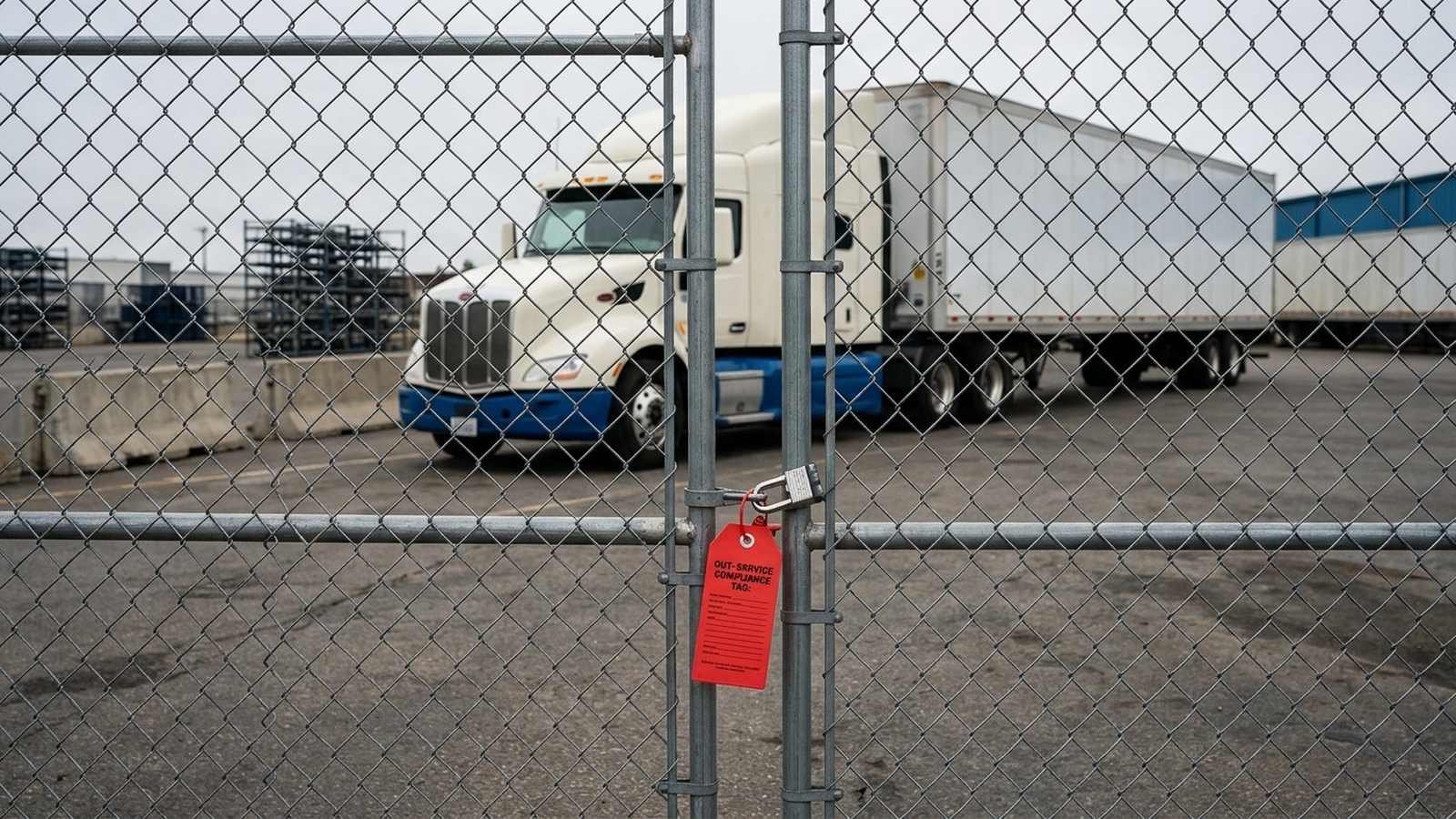
The biggest change is attention from the federal side. ELP has long been on the books, but now enforcement is being treated as an active roadside issue. CVSA added non-compliance with English proficiency requirements to its North American Out-of-Service Criteria effective June 25, 2025, and federal officials have continued tightening enforcement since.
That matters because these stops often start with plain questions, not trick questions. An inspector may ask about current location, pickup and delivery points, shipping papers, route, hours, or what the load is. If the driver cannot follow that conversation or answer clearly, the stop can get longer in a hurry.
For a fleet manager, the practical takeaway is simple: treat ELP like an operations risk, not just a hiring checkbox. One delayed driver can miss a dock time, burn drive time while sitting, and force a same-day reset of fuel, parking, and customer communication plans.
Which records help a fleet show a driver was prepared?
Start with the file and the real-world habits behind it. A lot of carriers have honest drivers doing the work, but the paperwork does a weak job showing how the fleet checked communication during hiring and orientation.
Most fleets get the most value from reviewing these items first:
- Interview or application notes showing who spoke with the driver and how that conversation went
- Road test or orientation notes showing whether the driver understood basic instructions
- Training sign-off sheets for safety meetings, dispatch procedures, and roadside document handling
- Current license and qualification records that the office can pull fast
- Proof the driver knows where shipping papers, registration, insurance, and permit documents are kept in the truck
The point is to make the file tell a clean story. If the carrier says the driver is ready for interstate work, the records need to support that in plain language.
It also helps to tighten up the cab routine. A driver who fumbles for paperwork while trying to answer simple questions already looks unprepared. Fleets cut down on that risk when every truck keeps the same document order and the same storage spot for the basic inspection items.
On the planning side, clear trip notes matter too. If dispatch sends vague pickup names, half-finished addresses, or changing instructions, the driver carries that confusion right into the inspection conversation. Shared route notes in a truck route planner can help keep the trip details straight before the day gets messy.
How can fleets coach drivers for roadside ELP questions?
A lot of drivers hear “English proficiency” and think somebody is asking for classroom English. That is not the useful part. What helps is short practice around the exact moments that happen during a stop.
Most fleets get better results from quick drills than from long policy talks. Focus on routine work communication:
- Practice greeting the inspector and answering directly
- Practice stating current location, pickup point, delivery point, and commodity in plain English
- Practice finding and naming key documents without digging through the cab
- Practice saying, “Please repeat that,” if the question is not understood the first time
That last one matters. Freezing up usually causes more trouble than calmly asking for the question again. Drivers do not need polished speeches. They need to handle basic work questions without panic.
Short role-play tends to expose the weak spots fast. One person acts as the inspector, one person acts as the driver, and the whole exchange takes a couple of minutes. If the driver cannot explain the load, destination, or paperwork location in that setting, the fleet has something concrete to work on before the next roadside stop.
Dispatch needs coaching too. If the office gives muddy load notes all week, drivers repeat that confusion when an inspector asks simple questions. Clear stop names, clear contacts, and one agreed trip plan make roadside answers easier.
What should dispatch do after an ELP-related delay starts?
The first move is simple: get facts fast and start reworking the day. Dispatch needs the driver’s exact location, current status, the load appointment risk, and the next hard decision point on hours and parking.
Most small fleets handle these situations better when dispatch does three things right away:
- Confirm where the truck is and whether the stop is still active
- Call the customer early if the delivery window may slip
- Build a fallback plan for fuel, parking, and any second appointment that could be affected
This is where the damage often spreads. A delay that starts with questions at roadside can turn into a clock-management problem by late afternoon. If the truck loses time early, dispatch may need to pick a realistic fuel stop, find overnight parking, and reset ETA expectations before the driver runs short on hours.
A practical backup plan usually includes more than one stop option. Some lots fill early. Some are easier for a late arrival than others. If the day is already off track, knowing where the next truck stop, rest area, or parking option sits on the route can keep one delay from becoming an unsafe scramble later that night. For related trip planning, a lot of fleets also keep quick access to truck stops and rest areas during the replanning process.
Frequently Asked Questions
Does this enforcement push mainly affect big carriers or small fleets?
Small fleets often feel it harder. One delayed truck can disrupt a bigger share of the day’s revenue, dispatch time, and customer service workload than it would at a large operation.
What kind of English ability matters most during an inspection?
Basic job communication matters most. Drivers need to understand routine questions, answer clearly, and identify the right documents without confusion.
Is this mainly a hiring issue?
No. Hiring is part of it, but so are orientation, safety refreshers, trip notes, and in-cab document habits. A driver can be solid behind the wheel and still struggle if the fleet never practiced roadside communication.
How often do fleets need to review this with drivers?
Most small fleets get more from short refreshers than from one long meeting. Brief reviews during orientation and regular safety meetings keep the communication practical and familiar.
What helps reduce disruption when a roadside delay starts affecting the whole trip?
Good trip visibility helps. A lot of fleets use Trucker Path to keep route details, truck location, and backup stop planning in one place when they need to adjust ETAs and line up the next safe move.
Summary
- English proficiency enforcement in trucking is getting more federal attention, and recent inspection activity shows it is not background noise anymore.
- Small fleets feel the pain quickly when one roadside conversation turns into delays, customer calls, and schedule changes.
- The strongest first check is the basics: interview notes, orientation records, training sign-offs, and organized in-cab documents.
- Short role-play on common inspection questions helps more than long policy talk for most drivers.
- Once a delay starts, early customer communication and a realistic backup plan for fuel and parking limit the fallout.
Sources
- CVSA — English Proficiency Added to Out-of-Service Criteria, Effective June 25, 2025
- CCJ Digital — FMCSA Proposes Out-of-Service Rule for Trucker English Proficiency
If this ELP enforcement push has your office tightening up route notes, delay response, and backup stop planning, Trucker Path can help with routing, driver visibility, free crowd-reported parking availability, and reservable parking.