How to Read a Rate Confirmation as an Owner-Operator

How to read a rate confirmation as an owner-operator comes down to four checks: match the pay to the load details, verify every date and appointment window, look for missing accessorial terms, and read the delivery rules like part of the rate. A load can look fine on the board and still turn bad once the paperwork lands.
Most owner-operators have seen it happen. The load rate sounds good on the phone, then the confirmation shows different times, extra stop language, or “detention if approved” buried in the fine print. That’s usually where the real decision gets made.
What does a rate confirmation really tell an owner-operator?
A rate confirmation is the broker’s written version of the deal. It lays out the load number, pickup and delivery locations, appointment dates, equipment type, commodity, pay, and special instructions. If something discussed on the call never made it onto the rate con, a lot of guys treat that like it was never agreed to.
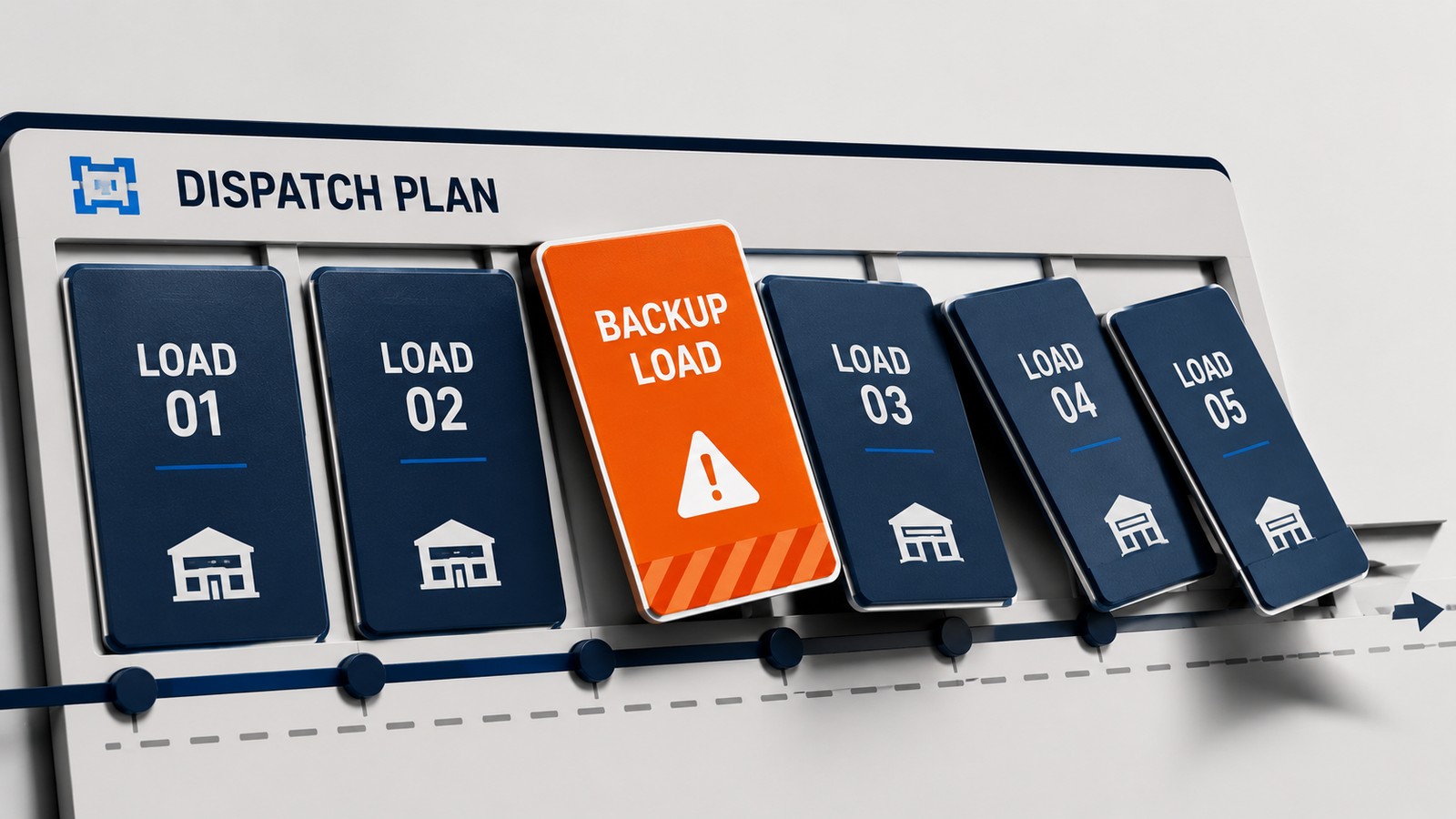
The first pass is simple: compare the rate con to the load details that got the driver interested in the first place. Check the origin, destination, miles, equipment, weight, and stop count. A one-stop dry van load can quietly become a multi-stop run with tighter timing, and that changes the whole trip. The same goes for reefer loads where a missing temp instruction, seal note, or receiver rule can turn into delay, rejected freight, or a long argument later.
This is also where paperwork speed matters. In Truckloads, the AI document scanning tool can pull rate confirmations into a cleaner view with the rest of the trip documents, which helps when a driver is comparing several offers and trying to catch one missing line before signing the wrong thing.
Most drivers read these sections in order:
- Broker and carrier info: names, MC info, contact details, and load number
- Load details: commodity, weight, piece count, temp instructions if reefer, and equipment type
- Route points: pickup, delivery, and any extra stops
- Timing: appointment times, FCFS notes, and delivery windows
- Pay terms: linehaul, fuel surcharge if listed separately, and accessorial language
- Instructions: lumper, seals, tracking, check calls, POD timing, and claim language
Which rate confirmation details cost drivers the most money when they get missed?
The expensive stuff usually hides in the “other” language, not the main rate. Detention, layover, truck ordered not used, lumper reimbursement, extra stop pay, and after-hours delivery terms can all get vague fast. If the rate con says detention is paid only after a certain wait and only with broker approval, that’s not the same as guaranteed detention.
Another one that burns time is the delivery requirement section. Some confirmations say “driver assist,” “count required,” “appointment subject to change,” or “late arrival may reduce pay.” A lot of guys skim that part because they already looked at the rate. Then the load turns into unpaid labor, a missed reload, or a claim fight. A common real-world example is a load that looks like drop-and-hook on the posting but the paperwork adds live unload language and a narrow appointment window. That can wipe out the next day’s plan even if the linehaul never changed.
Pay timing matters too. Before confirming a load, many carriers also look at the broker’s payment history and driver reports. In Truckloads, broker credit scores and days-to-pay sit next to load search, so a driver can compare the rate on the screen with the likely wait for money on the back end. Those scores reflect driver-submitted reports, not third-party verification, but they still help spot patterns.
Common money leaks to look for on a rate con:
- No detention terms listed
- Lumper says “carrier pays” with no reimbursement note
- Extra stop added but no extra stop pay shown
- TONU or layover missing entirely
- Tracking or check-call penalties written in broad language
- POD deadline tied to faster pay, but no clear process listed
How do you check if the load is worth taking before you sign?
This is the part that separates a decent week from a rough one. The rate confirmation tells a driver what this load pays, but it doesn’t tell the whole story unless that driver compares it to deadhead, reload odds, delivery timing, and what other freight is available in that lane.
Say two loads look close on paper. One has a tight morning appointment, broad detention language, and a long deadhead to pickup. The other pays about the same but has cleaner terms, better timing, and reload opportunities nearby. Most owner-operators would rather take the second load and sleep better. Another familiar scenario: a Friday delivery with a “subject to receiver changes” note can leave the truck sitting through the weekend if anything slips.
That’s where Truckloads fits naturally into the decision. Drivers can compare options across 150,000+ daily truck loads from 800+ brokers in one combined view, then use Rate Check, the profit calculator, and lane filters to stack one offer against another before that rate con gets signed. It’s free to start, and it gives a driver more than one number to judge the trip by.
When sizing up whether a rate con is worth it, a lot of guys compare:
- Loaded miles vs. deadhead miles
- Pickup and delivery windows vs. available drive time
- Accessorial language vs. likely delays at those facilities
- Broker pay habits vs. how fast cash is needed
- Current load vs. other loads posting in that market
What red flags on a rate confirmation make drivers slow down?
Any rate con that leaves room for surprise deserves a second look. Broad language like “all fines back-charged,” “carrier responsible for any shortage,” or “missed appointment subject to rate reduction” can create trouble if the rest of the document doesn’t clearly define what happened and when. Most drivers want that stuff spelled out before the truck rolls.
Another red flag is a mismatch between the load board listing, the dispatch call, and the paperwork. If the posted load said one pickup day and the rate con shows another, or the rate changes without explanation, stop there and get it corrected. Signed paperwork has a way of becoming the only version anyone remembers later. The same caution applies when a revised rate con shows up after the first one with added stop language, changed commodity notes, or a new POD deadline.
Paperwork also falls apart when it gets buried in email chains. Truckloads can pull load emails and documents into an Action Needed queue, then keep the rate con, BOL, POD, receipts, and trip status tied together on one load sheet. That makes it easier to catch a bad term before pickup and easier to back up a payment dispute after delivery.
Frequently Asked Questions
What is a rate confirmation in trucking?
A rate confirmation is the broker’s written load agreement with the carrier. It usually includes the pickup and delivery details, rate, special instructions, and accessorial terms. If a detail is missing from the confirmation, many drivers treat it as unsettled until it gets added.
How do owner-operators read a rate confirmation?
Most owner-operators start with the pay, locations, dates, and stop count, then move to the special instructions and accessorial section. The main goal is to catch anything that changes time, cost, or risk before signing. A clean load with clear terms often beats a slightly higher rate with messy paperwork.
What should be on a rate confirmation?
A solid rate con lists the broker and carrier info, load number, commodity, weight, equipment, pickup and delivery schedule, pay, and any extra stop or detention terms. It also covers instructions like lumper handling, POD requirements, and tracking expectations. Clear terms leave less room for payment arguments later.
Can a broker change a rate confirmation after I sign it?
Brokers can send a revised rate confirmation, but the driver or carrier still needs to review what changed. A lot of problems start when someone assumes a revision is just clerical and signs too fast. Most drivers read every updated version like it’s a new agreement.
What if the rate confirmation does not mention detention or layover?
If detention or layover is missing, there may be nothing in writing that explains how that time gets paid. That doesn’t always mean the load is bad, but it does mean the carrier is taking on more uncertainty. Many owner-operators try to get those terms clarified before pickup instead of arguing after the fact.
Summary
- How to read a rate confirmation as an owner-operator starts with matching the written load details to what was offered on the phone or board.
- Most lost revenue comes from vague or missing terms on detention, layover, lumper, extra stops, and delivery requirements.
- A rate con only tells part of the story; comparing other available freight often shows whether the load is actually worth the time.
- When the paperwork, broker history, and load options are all in one place, it gets easier to spot trouble before the truck rolls.