Truck Parking Shortage: How to Plan Ahead for Every Stop

How Do Drivers Stay Ahead of the Truck Parking Shortage When Planning a Day?
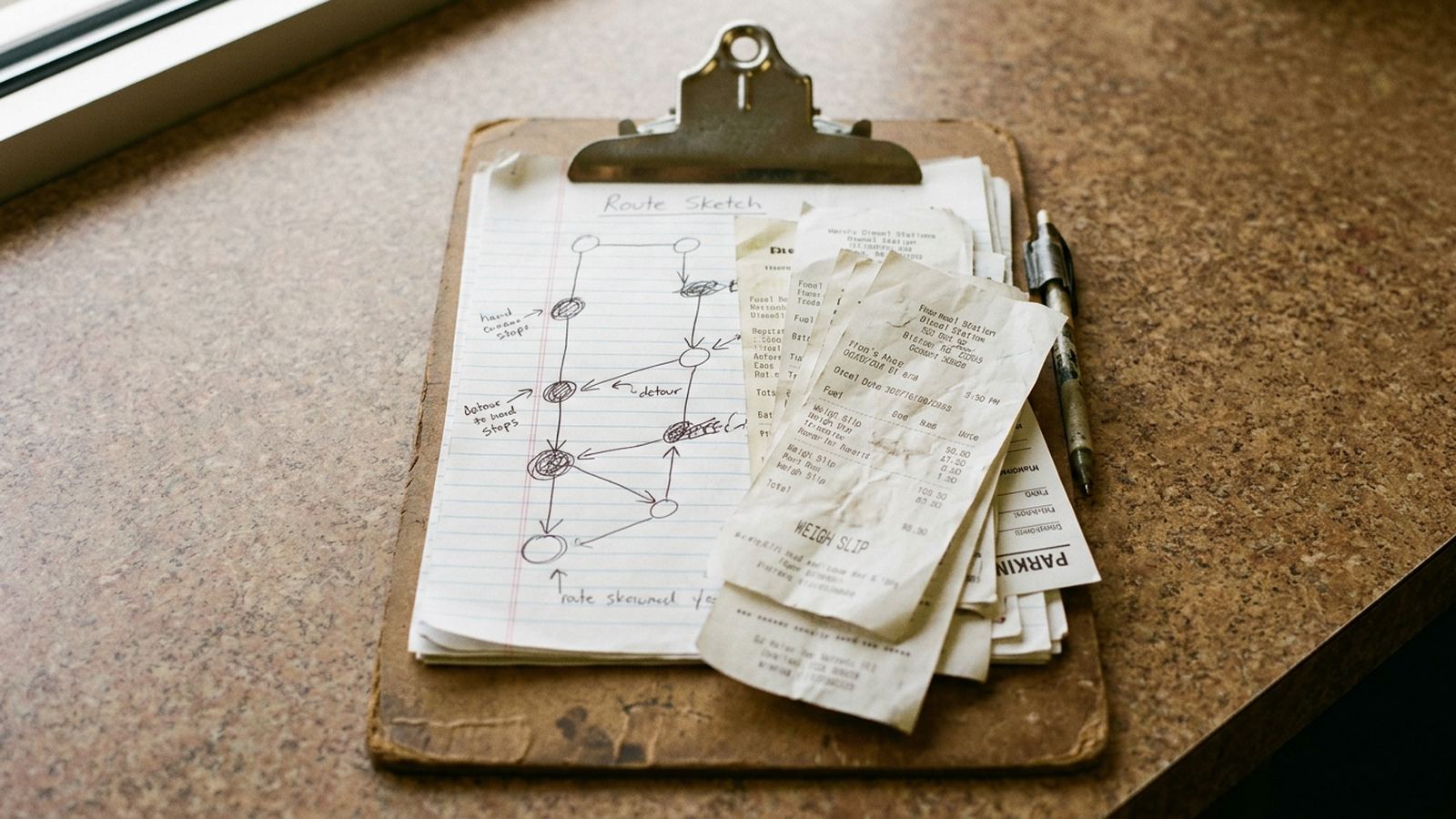
Most drivers who stay out of parking trouble start the day with the stop already picked. Not just a city or exit, but an actual truck stop, rest area, or other legal place to park. In a truck parking shortage, vague plans fall apart fast. A practical way to do it is simple: build the route around where the truck can stop, not just where the load delivers. That means checking the route in a truck-safe GPS first, then looking at parking choices around the point where the clock will likely get tight. If the route takes the truck through low bridges, weight-restricted roads, or busy city turns, that can burn time that would have been parking time. With Trucker Path, a lot of guys start by setting the day’s route in the commercial GPS, then checking parking along that route. That gives a driver a primary stop, a second choice, and a third choice before the wheels even start turning. On lanes where parking gets tight near major metros, that detail matters. A run approaching places like Atlanta, Chicago, Dallas, or the I-95 corridor can look fine at breakfast and get a lot less forgiving by late afternoon.When Should a Driver Lock In a Parking Stop Before Hours Run Low?
The short answer is earlier than most people think. Waiting until the last hour to figure out parking usually turns a manageable day into a race. In a truck parking shortage, a stop that was open earlier can flip to full by the time a driver gets there — FHWA’s own driver survey found more than 90% of drivers reported parking was difficult to find between 7 p.m. and midnight, and over 60% said the same for midnight to 5 a.m. A lot of experienced drivers tighten the plan around the middle of the day. After the first shipper delay, traffic backup, or weather slowdown, they check the route again and ask one question: does the original parking stop still make sense? If not, they move the stop up, not down the road. Giving up a little distance often beats burning the whole clock hunting for one last empty space. This is where current info helps. Trucker Path puts commercial routing, traffic, weather, and parking availability reported in the app in one place. Instead of guessing, a driver can check whether a location is being reported as Full, Some, or Many and adjust while there’s still enough time to do something about it. For locations that offer it, reservable parking closes that gap even further — Trucker Path’s own team notes that a driver with a spot reserved saves about 30 minutes of searching, time that more than pays for the cost of the reservation. That is a lot more useful than learning at the exit ramp that every space is gone.What Makes a Good Backup Parking Plan for Every Stop?
A real backup plan means names and exits, not “I’ll find something.” In a truck parking shortage, the first stop can be full even when the timing looked right. That’s why many drivers keep option two within reasonable reach of option one, and option three close enough to save the day if traffic hits hard — Trucker Path’s parking directory makes it easier to line up real backups ahead of time instead of guessing blind. A solid backup also means checking the approach. Some places look fine on a list, then turn into a mess of tight turns, confusing junctions, or rough road conditions after dark. Trucker Path helps here too. Detailed route view, road condition tools, and Apple CarPlay support can make the last miles easier to read when things get busy. That matters even more when a backup stop sits a few exits ahead and the decision has to happen fast. The drivers who handle parking well usually do one more thing: they make the call early. If the first stop starts looking shaky, they don’t keep hoping for a miracle until the clock is nearly gone. They switch to backup one while they still have room to move. On long interstate runs, that often means taking the decent spot now instead of gambling on the “better” one farther down the road.How Do Fuel Stops Affect a Parking Plan Late in the Day?
Fuel stops can quietly wreck a parking plan. Not because fuel is optional, but because an off-route stop, a crowded island, or a late-day fill-up can eat the time cushion that parking depends on. A lot of guys solve that by choosing fuel along the route before the afternoon rush starts. That works better when fuel planning stays tied to the parking plan. If a driver already knows the likely stopping zone, it gets easier to pick a fuel stop before that final push instead of after it. Trucker Path lets drivers compare fuel prices and review stops along the route, which helps cut down on random exits and extra miles that don’t help the day. The goal isn’t chasing every last penny. The goal is keeping the day tight enough that the parking plan still works by evening. A clean fuel stop at midday often protects a parking plan better than squeezing one more task into the final hour.Frequently Asked Questions
How can truck drivers find parking before lots fill up?
The safest pattern is to pick parking early in the day and keep checking it as the day changes. Most drivers do better with a primary stop and at least one backup than with one late guess after hours get tight.What time do truck parking lots usually fill up?
It depends on the lane, the market, weather, and day of week. Near large freight hubs and busy interstates, spaces can tighten up well before evening, which is why many drivers start checking parking well before the final stretch of the clock.How do I plan truck parking around HOS limits?
Plan the stop around the real end of the day, not the perfect end of the day. That means leaving room for traffic, loading delays, fuel, and slower roads so the parking choice still works when the day doesn’t go clean.What is the best backup plan if my first truck stop is full?
The best backup is one picked ahead of time and kept close enough to reach without stress. Most drivers want a second and third legal option saved before they get near the end of available hours.Is live truck parking info worth using?
Yes, because parking changes during the day. Parking availability reported in the app won’t remove every surprise, but it gives a driver a better read on when to stay with the first plan and when to move to the backup before the lot is packed.Summary
- Truck parking shortage — how to plan ahead starts with picking the stop early, not when the clock is almost gone.
- Build every day around one primary parking stop and at least two legal backups.
- Use truck-safe routing, parking availability, traffic, weather, fuel, and road checks together so one delay doesn’t wreck the whole plan.
- Make the change early if the first stop starts looking doubtful; hope burns more time than rerouting does.