2027 UCR Fee Hike Faces Court Challenge — Budget for It Anyway

The 2027 UCR fee increase is back in play, and small carriers need to budget for the higher amount unless a court says otherwise. The lawsuit matters, but it is not money in the bank, and waiting on a ruling can leave a fleet short when renewals come due.
The timing matters. The Small Business in Transportation Coalition filed a petition in the D.C. Circuit to void FMCSA’s Sept. 1 rule on 2027 UCR fees, and it also asked the court to halt collections while the case moves; readers should confirm the current fee details with the D.C. Circuit and FMCSA. That puts a lot of small carriers in the same spot: higher costs may be coming, but nobody can count on the lawsuit to erase them.
What it means for drivers and fleets
For a 3-truck or 10-truck outfit, this is not some back-office issue. It lands where small fleets feel pain most: annual fees, renewal season, and cash that was already spoken for by insurance, maintenance, tires, and payroll.
The smallest carriers are the clearest example. The proposed jump takes them from $46 to $55, and the average increase runs about 20%. On paper, that may not look huge. In real life, it adds one more line item to a stack of line items that never seem to get smaller.
What changed in the 2027 UCR fee increase?
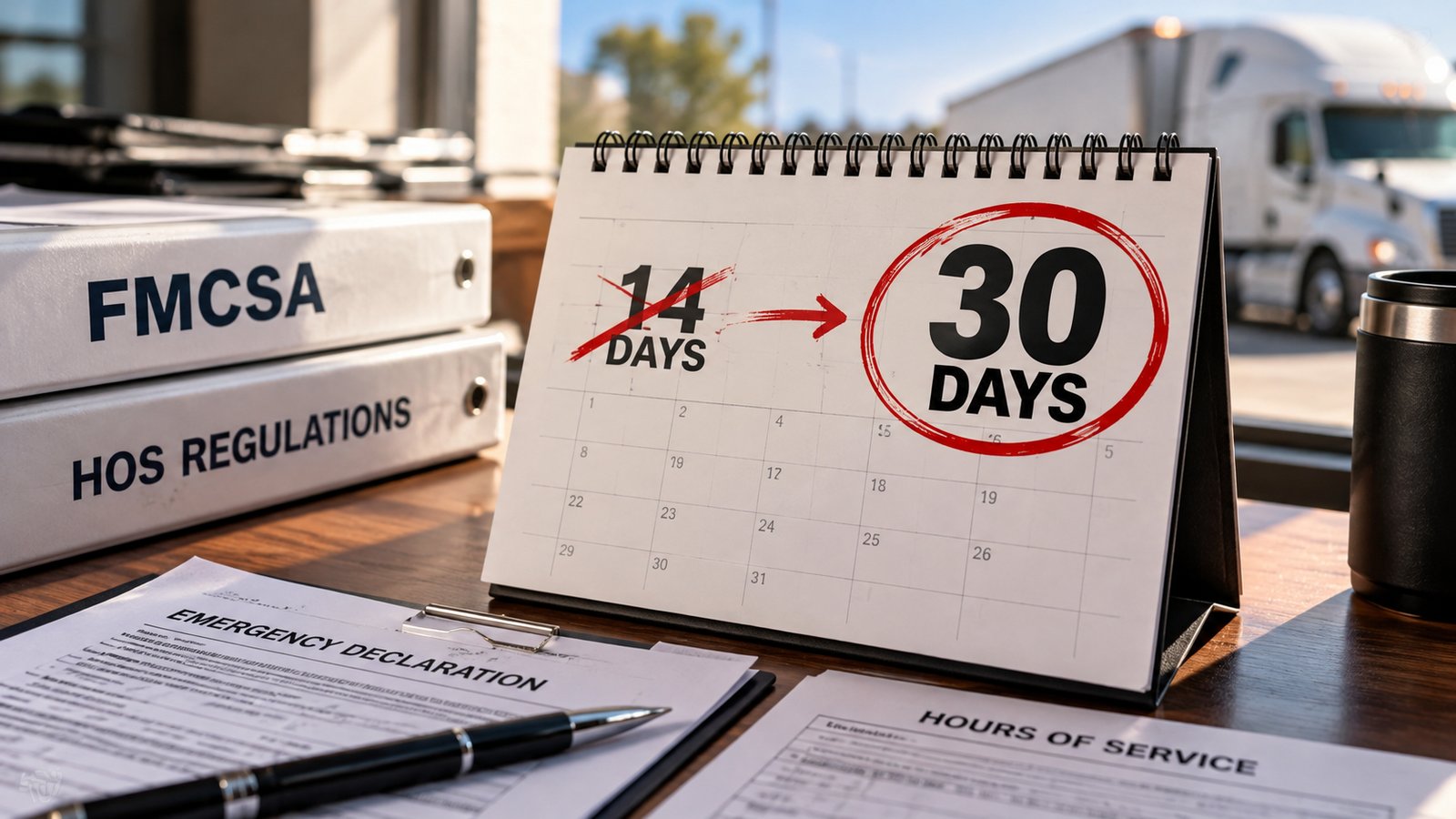
The key change is simple: FMCSA published a Sept. 1 rule that raises 2027 UCR fees across the board. The increase averages about 20%, and the smallest carrier bracket moves from $46 to $55.
The other change is the lawsuit itself. SBTC is not just complaining about the increase. It filed a petition challenging the rule and asked the court to stop UCR collections while the case is pending.
That leaves fleets with two separate things to track. First, the fee schedule got raised. Second, the legal fight may or may not delay, change, or wipe out that increase later.
A lot of owners mix those two together and wind up making the wrong call. News about a challenge is not the same as a final ruling, and it does not pay a bill if the increase sticks.
How much should a small carrier set aside right now?
The safest move is boring: budget for the higher 2027 UCR fee now, then adjust later if the court changes the picture. No one likes parking cash for a bill that might shift, but that hurts less than getting surprised when renewal season gets tight.
For the smallest carriers, at least one piece is clear. The bracket mentioned in the challenge goes from $46 to $55. Larger fleets will owe more based on their bracket, even though the exact amount depends on where they fall in the UCR schedule.
For a small fleet owner, this works better as a reserve than a last-minute payment plan. Build a simple line in the annual budget for UCR, then pair it with the other fees that tend to hit around the same part of the year. That keeps this increase from sneaking in beside insurance, tags, maintenance, and other fixed costs.
If cash flow is already tight, break the reserve into small monthly transfers inside the business account. That approach is not fancy, but it keeps one annual fee from turning into a scramble. A lot of guys lose margin not because a fee exists, but because it shows up when the checking account is already bruised.
It also helps to look for offsetting savings in the same planning session. Tightening routes, reducing out-of-route miles, and watching fuel stops closer can free up room for admin costs that no fleet can avoid forever. If dispatch is already mapping runs manually, a truck route planner can make wasted miles easier to spot before they hit the fuel card.
What could happen next if the court steps in?
There are a few ways this can go, and none of them are worth betting the whole budget on. The court could let collections continue while the case moves. It could temporarily pause collections. It could also rule later in a way that changes the increase or leaves it standing.
That uncertainty is exactly why small fleets need a two-track plan. Track the case closely, but budget as if the increase will still be there. If the challenge succeeds, that reserve becomes extra breathing room instead of a crisis fund.
Owners who wait for a final answer often wind up making rushed choices somewhere else. They delay maintenance, push a non-urgent repair, or cut spending in the wrong place. The UCR line item itself may be manageable, but poor timing is what turns manageable costs into headaches.
The practical move is simple: keep a note on the legal case, keep the higher amount in the budget, and revisit it when the court gives a real answer. Until then, planning beats guessing every time.
Frequently Asked Questions
Is the 2027 UCR fee increase final?
Not completely. FMCSA issued the rule raising 2027 UCR fees, but SBTC has asked a federal court to void that rule. Until the court acts, fleets are dealing with an increase that is being challenged, not a dispute that has already been settled.
How much more will the smallest carriers pay?
The smallest carriers listed in the challenge move from $46 to $55. The reporting around the case also says the average increase is about 20%. Beyond that, fleets need to look at their own bracket to estimate the full impact.
Should small fleets wait to budget until the lawsuit is decided?
Most small fleets are better off budgeting now and adjusting later if the ruling changes things. Waiting for a court decision can leave too little time to absorb the cost cleanly. A reserve is easier to live with than a surprise bill.
Could UCR collections actually be paused?
Yes, that is one of the things SBTC asked the court to do while the case proceeds. But a request is not a result. Until a judge grants that relief, fleets cannot assume collections will stop.
Where can fleets look for savings if this fee squeezes the budget?
Most fleets start with the basics: cut empty miles, avoid unnecessary detours, group fuel and stop planning better, and tighten dispatch habits so small mistakes do not stack up across the month.
Summary
- The 2027 UCR fee increase is active news again because SBTC asked a federal court to void the rule and halt collections.
- The smallest carriers named in the challenge move from $46 to $55, with the average increase running about 20%.
- No fleet can control the lawsuit timeline, so budgeting for the higher amount now is the safer move.
- A reserve plan works better than waiting for a final court answer and scrambling later.
- If the court changes the outcome, that set-aside cash stays in the business instead of coming out of a stressed account.
Sources
- Federal Register — Fees for the Unified Carrier Registration Plan and Agreement (Sept. 1, 2026 final rule)
- CCJ Digital — FMCSA 2027 UCR Fee Rule Challenged in Court
If this fee hike has the office looking hard at wasted miles and dispatch time, Trucker Path can help spot routing waste before it turns another avoidable cost into a renewal-season problem.