Best Lanes for Flatbed This Season: How to Find Profitable Runs
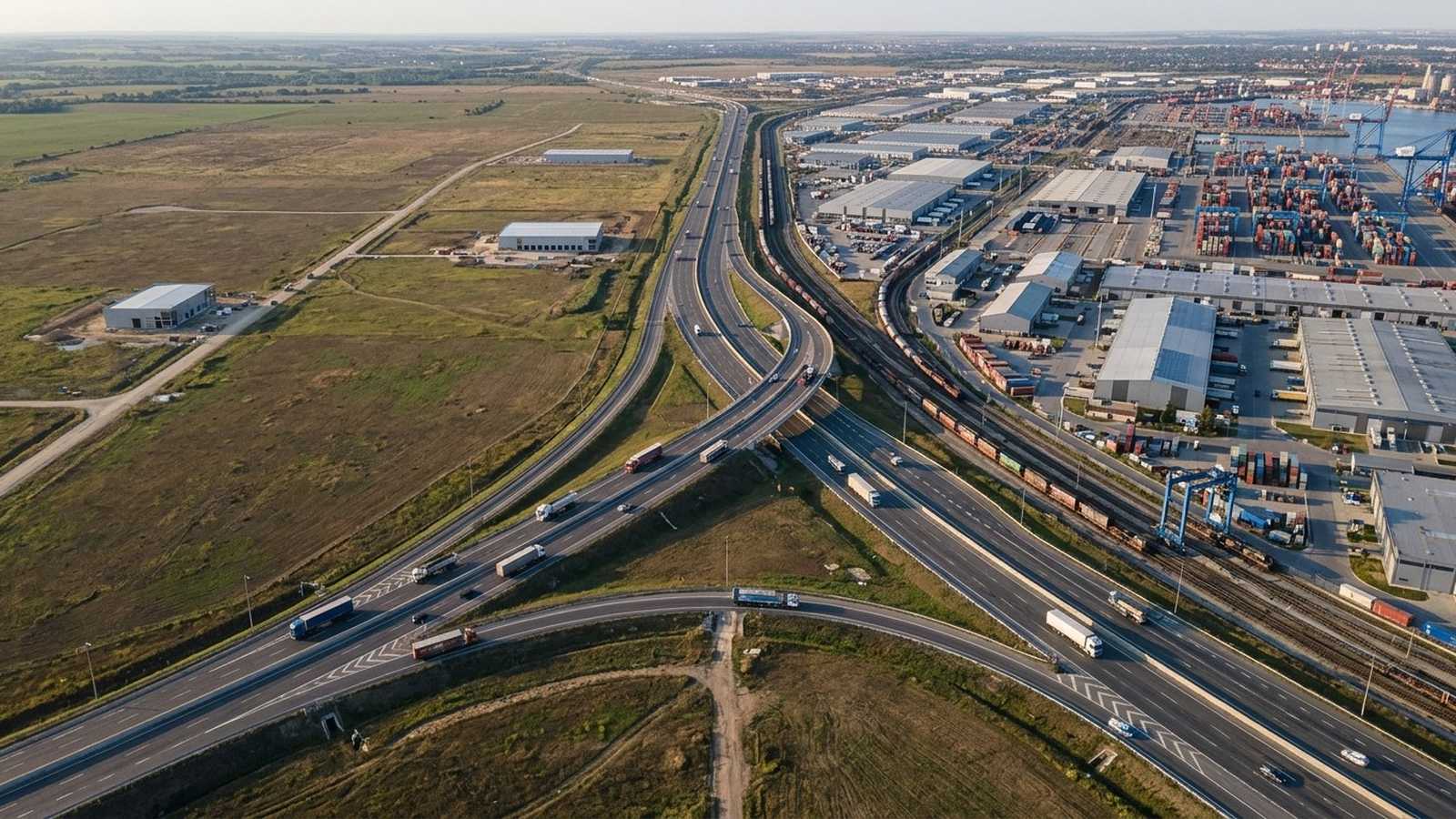
Best lanes for flatbed this season in 2026 usually come from the same pattern: strong construction or manufacturing freight out, a decent reload back, and not much deadhead between. Public data backs the seasonality piece. The value of construction put in place and the Federal Reserve’s industrial production data both give drivers a grounded way to think about where flatbed demand tends to build.
That’s the part many load searches miss. One lane can look great on the first leg, then leave a driver stuck hunting freight in a soft market. Most guys running flatbed don’t need a miracle lane. They need a repeatable way to tell which runs can hold together for a full week.
Which regions usually hold the best lanes for flatbed this season?
Flatbed freight follows work sites, mills, plants, yards, and weather. When construction picks up, steel, lumber, machinery, pipe, and building materials tend to move more often through the South, Midwest, and parts of the Southeast. That general pattern lines up with where a lot of U.S. factory activity and construction spending shows up in public reports.
That does not mean every load out of those states pays well. The better question is whether a region has enough outbound and inbound volume to keep a driver from burning half a day on reload. A busy outbound market with weak inbound freight can still turn into a bad week if the next run sends the truck empty for hours.
This is where guys save time by checking freight demand and load density before calling brokers. In TruckLoads, the Load Density Map and Capacity Indicator give a quick read on which states look tighter and which ones look loose. Instead of guessing off one posted load, most drivers can compare whether a market looks like a true flatbed lane or just a one-off spike.
How can a driver tell if a flatbed lane will still pay after reload and deadhead?
A profitable flatbed lane is rarely the one with the prettiest first number on the screen. It’s the one that holds together after tarp time, securement time, reload delays, and empty miles to the next shipper. A run from a strong steel market into a weak rural area may pay fine on paper, but the deadhead out can eat the whole advantage.
A lot of experienced flatbed operators look at four things together: outbound demand, likely reload freight, deadhead to reload, and time lost at both ends. If a lane gets a truck into an area with machinery, building products, pipe, or agricultural equipment moving back out, it usually has more staying power than a lane that dumps into a freight desert.
TruckLoads helps with that math in one screen. Most guys sort by equipment type, then narrow by distance/deadhead, and use Rate Check to compare lanes by state and region instead of reacting to one posting. That makes it easier to compare a strong two-load sequence against a flashy one-way load that leaves the truck empty after delivery.
Which flatbed freight types tend to stay moving this season?
Season matters more in flatbed than a lot of newer operators expect. Construction materials usually pick up when jobsites stay active. Machinery, fabricated metal, pipe, coils, lumber, roofing, and agricultural freight each have their own rhythm, and that rhythm changes by region. The best lanes for flatbed this season often come from matching trailer setup and securement gear to the freight that is actually moving now.
For example, a driver with coil racks, tarps, and the patience for industrial freight may do better around steel and manufacturing corridors than around lighter building products. A step deck can open different freight than a standard flat. Hotshot loads can live on a different cycle than full-size flatbed freight. The money is in the fit between the trailer and the freight mix coming out of that region.
TruckLoads makes that easier to sort fast. Drivers can search by flatbed, hotshot, weight, length, date, and deadhead, then set load alerts so matching freight posts straight to the phone. Drivers can also subscribe to the Truckstop.com load feed directly inside TruckLoads — Truckstop.com is a well-known source for flatbed freight specifically, so pulling it into the same view cuts down on the usual refresh-refresh-refresh routine when a seasonal lane starts waking up.
How do smart flatbed operators compare lanes before they book the week?
The guys who stay busy don’t just ask, “Does this one load pay?” They ask, “What does this load turn into by Thursday?” That means looking at the lane as a chain, not as a single pickup and delivery. A decent outbound load into a market with fast reload options often beats a stronger first leg into a dead-end area.
Most drivers also look at who they’re calling. Time disappears fast when a broker takes forever to pay or constantly changes the details. In TruckLoads, drivers can compare loads in one app view, post truck capacity, and review broker details shown in the product before they call. Those broker details are a useful signal, but they are not third-party verification, and a lot of guys still cross-check the load details on the phone before booking.
That all matters most when building a week. A lot of flatbed operators post truck capacity, watch for suggested loads, then compare lane options side by side instead of bouncing between separate boards. Faster comparison usually means fewer empty decisions made under pressure.
Frequently Asked Questions
What are the best flatbed lanes right now?
The best flatbed lanes right now are usually the ones tied to active construction, steel, manufacturing, and machinery freight with reload options nearby. Most drivers look for regions with strong outbound volume and enough inbound freight to avoid a long empty reposition.
How do I find profitable flatbed loads?
Profitable flatbed loads usually come from comparing more than the first posted rate. Most owner-operators check freight type, deadhead to pickup, reload potential after delivery, and time lost on securement or tarping before they commit.
Which states have the most flatbed freight?
States with strong construction, industrial, and manufacturing activity often stay busy for flatbed. Texas and a big stretch of the South and Midwest commonly stay in the conversation, but the stronger move is checking current lane demand and load density before heading in.
Is flatbed freight seasonal?
Yes, a lot of flatbed freight is seasonal. Building materials, machinery, agricultural equipment, and industrial products can all shift with weather, harvest cycles, plant schedules, and regional jobsite activity, which is one reason drivers track construction and factory data along with live load searches.
How do flatbed drivers avoid bad deadhead?
Most flatbed drivers cut bad deadhead by checking the next market before booking the current load. A lane with a slightly weaker first leg can still be the better run if it drops into an area with steady reloads and short reposition miles.
Summary
- Best lanes for flatbed this season usually have three things: active regional demand, freight that matches the trailer, and a realistic reload after delivery.
- A strong first load means less if the truck lands in a weak market and deadheads out empty.
- Comparing load density, capacity, lane history, and deadhead side by side gives a clearer picture than chasing one hot post.
- Seasonal flatbed money often follows construction, manufacturing, steel, lumber, machinery, and agricultural freight.
Sources
- U.S. Census Bureau — “Monthly Construction Spending”, accessed August 14, 2026
- Board of Governors of the Federal Reserve System — “Industrial Production and Capacity Utilization – G.17”, accessed August 14, 2026
Figures and market conditions may have changed since publication.