DOT Physical Requirements: What Can Disqualify You?
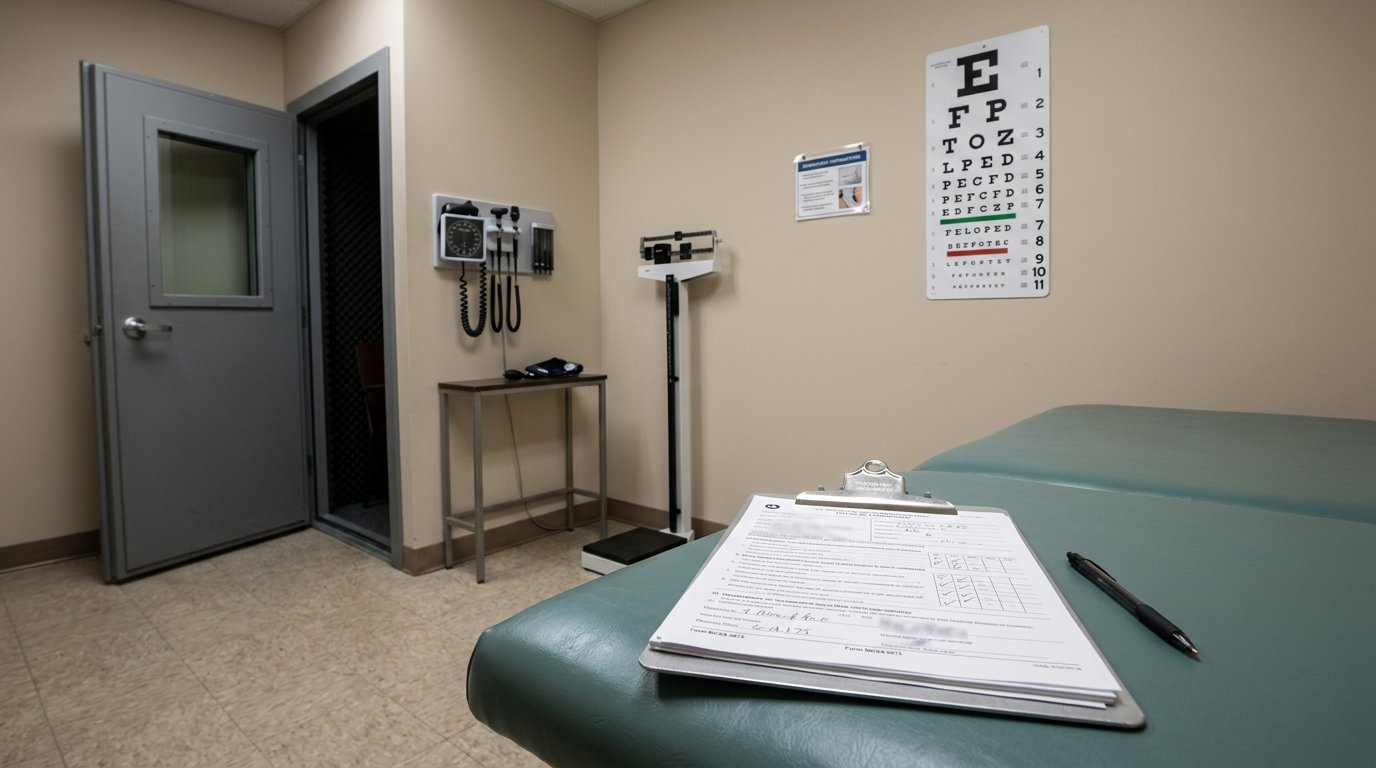
DOT physical requirements can sideline a driver fast if a medical issue shows up at the wrong time. A lot of guys find out the hard way when the truck is ready, the phone is on, and one exam turns into missed loads. The big thing to know is this: some conditions are manageable with records or treatment, and some can stop certification until the issue is under control.
Picture this. A CDL driver is lined up for a good week, planning to book freight, then starts thinking about blood pressure, sleep apnea, vision, hearing, insulin paperwork, or meds that make him drowsy. That worry is real, because the DOT physical is not just a quick formality when something in the medical history raises a flag.
What can disqualify a driver during a DOT physical?
The most common DOT physical disqualifiers are tied to safety: vision problems, hearing loss, uncontrolled high blood pressure, insulin-treated diabetes without the right paperwork, seizure history, certain heart conditions, drug or alcohol use, and medications or illnesses that make a driver unsafe behind the wheel.
The examiner is trying to answer one plain question: can this driver operate a commercial vehicle safely right now? If the answer is no, the driver may not get a medical card that day. Under FMCSA medical standards, some drivers can receive the full certification period, some get a shorter card, and some leave without certification until they bring back more records, more testing, or proof the condition is under control.
Here are the issues that trip up drivers most often:
- Blood pressure that is too high: covered in detail below — this is the single most common hold-up at the exam.
- Vision problems: at least 20/40 distant visual acuity in each eye, with or without corrective lenses, at least 70 degrees of horizontal field of vision in each eye, and the ability to recognize traffic signal colors.
- Hearing problems: hearing a forced whisper at not less than 5 feet in at least one ear, with or without a hearing aid, or passing an audiometric test under the FMCSA threshold.
- Sleep apnea concerns: if a driver shows signs of untreated sleep apnea, the examiner may want more evaluation or treatment records.
- Diabetes management issues: drivers using insulin often need the Insulin-Treated Diabetes Mellitus Assessment Form completed by the treating clinician before the examiner can finish the medical certification decision.
- Heart or neurological conditions: fainting, seizures, stroke history, or unstable heart problems get attention fast because they can involve sudden loss of control.
- Mental health or sedating medications: the condition itself may not disqualify a driver, but side effects can.
- Drug or alcohol findings: any current use that affects safe operation is a major problem.
A lot of drivers hear rumors that any diagnosis means the end of a CDL career. That is not how it usually goes. The real issue is whether the condition is stable, treated, and documented well enough for the examiner to sign off under the FMCSA medical rules.
How FMCSA stages blood pressure at the exam
Blood pressure is the single biggest reason drivers leave with a shorter card or no card at all. The guidance examiners commonly use breaks down like this:
| Stage | Blood Pressure | What Usually Happens |
|---|---|---|
| Normal | Under 140/90 | Full certification, up to 2 years |
| Stage 1 | 140–159 / 90–99 | Certified, typically for 1 year |
| Stage 2 | 160–179 / 100–109 | One-time 3-month certificate to get it under control |
| Stage 3 | 180/110 or higher | Disqualified until the reading comes down to 140/90 or less |
An elevated reading on exam day is usually confirmed with at least two follow-up measurements before the examiner makes a final call, so one bad cuff reading is not automatically the end of the appointment.
What happens if a driver fails the DOT physical?
Failing a DOT physical does not always mean a driver is done. In a lot of cases, it means the examiner found a problem that needs more proof, more control, or more time. That can still hurt, because every day off the road can mean loads missed and bills stacking up.
If a driver does not pass, the next move usually depends on why. High blood pressure may mean getting back with a primary care doctor and returning when it is controlled. A sleep apnea concern may mean testing or treatment records. A medication issue may mean the prescribing doctor has to explain side effects or adjust the treatment. Insulin-treated diabetes may mean bringing back the treating clinician’s form so the medical examiner can complete the certification decision.
Most failed exams fall into one of these buckets:
- Temporary hold: the examiner needs more records or a specialist note.
- Short-term delay: the condition is not controlled yet, but it may be fixable.
- Disqualification for now: the driver is not medically qualified until the issue changes.
That is the part drivers feel in their wallet. The truck payment does not pause just because the medical card did. If freight is the way a driver keeps cash moving, downtime gets expensive fast. When a week gets blown up by an exam delay, a lot of owner-operators try to tighten the gap on the next available reload instead of losing more time searching around. That is where a quick check of available freight can help steady the week.
Standards at a glance
| Area | Federal Standard |
|---|---|
| Vision | At least 20/40 in each eye (corrected or uncorrected), 70° horizontal field in each eye, recognizes red/green/amber |
| Hearing | Perceives a forced whisper at 5 feet in the better ear (with or without a hearing aid), or passes the audiometric alternative |
| Insulin-treated diabetes | Treating clinician completes the Insulin-Treated Diabetes Mellitus Assessment Form (MCSA-5870) for the examiner |
| Standard certification period | Up to 24 months, shorter at examiner’s discretion for a monitored condition |
Sleep apnea, heart conditions, and neurological issues also draw a lot of attention because they can affect wakefulness or cause sudden incapacity. Meds are another big one — the diagnosis may be manageable, but if the medication causes drowsiness, slow reaction time, or foggy thinking, the examiner may decide the driver is not safe to operate. That includes some pain meds, some anxiety meds, and even some over-the-counter stuff if it hits hard enough.
How do drivers get ready before the next DOT physical?
Most drivers do better when they treat the physical like any other business deadline. No one can control every medical issue, but a lot of exam problems start long before the appointment. Missed follow-ups, half-finished treatment, lost paperwork, and poor sleep the night before all catch up at the same time.
A simple routine helps:
- Keep a current list of medications and prescribing doctors.
- Save copies of specialist notes, treatment records, and any form tied to insulin-treated diabetes.
- Handle blood pressure, blood sugar, and sleep issues before card renewal is close.
- Book the exam with enough room to deal with a follow-up if the examiner asks for more.
- Stay organized on the road so paperwork does not disappear under receipts and rate cons.
Practical trip planning helps too. If a driver is trying to keep appointments and still run hard, the Trucker Path app helps with route planning, and finding truck parking near the route matters when hours are tight. The parking piece works both ways: drivers can check free crowd-reported parking availability and also reserve parking ahead. Reserved parking can also cut down on last-minute circling and wasted time when the day is already off schedule.
The goal is not to wing it and hope the examiner is in a good mood. The goal is to walk in knowing the condition is documented, the treatment is current, and the exam is one more stop in the week instead of a career problem.
Frequently Asked Questions
What will fail a DOT physical right away?
Conditions that make a driver unsafe in the examiner’s judgment can stop certification on the spot. That often includes stage 3 blood pressure, serious vision or hearing problems, active drug or alcohol issues, seizure concerns, and medical conditions or medications that impair alertness.
Can a driver pass a DOT physical with high blood pressure?
Many drivers do, but it depends on how well the condition is controlled at the time of the exam. FMCSA guidance commonly used by examiners treats readings under 140/90 most favorably, while higher stages often lead to a shorter card or a delay until the pressure improves.
How long is a DOT medical card good for?
The full certification period is commonly up to 24 months for drivers who meet the standard without a condition that needs closer follow-up. A medical examiner can issue a shorter card when blood pressure, diabetes, sleep issues, or another condition needs monitoring.
Is sleep apnea a DOT disqualifier?
Sleep apnea is not automatically disqualifying by itself. The problem comes when it is untreated, poorly managed, or causing daytime sleepiness that affects safe driving.
What paperwork does an insulin-treated driver need for a DOT physical?
Most insulin-treated drivers need the federal Insulin-Treated Diabetes Mellitus Assessment Form completed by the treating clinician and brought to the medical examiner. The examiner uses that form, along with the rest of the exam, to decide whether the driver qualifies and how long the card should run.
Summary
- DOT physical requirements focus on whether a driver can operate safely, not just whether a diagnosis exists on paper.
- The most common trouble spots are blood pressure, sleep apnea, diabetes paperwork, vision, hearing, heart issues, seizure history, and sedating medications.
- FMCSA standards include specific thresholds for blood pressure, vision, hearing, and insulin-treated diabetes documentation, so details matter at the exam.
- Failing the exam does not always end a driving career, but it can create costly downtime while a driver gets treatment or documentation in order.
- Drivers who keep records handy and deal with medical issues early usually avoid the worst last-minute surprises.
This covers the standards a certified medical examiner applies at the exam — it is not a substitute for advice from your own doctor or the examiner handling your certification.
Sources
- 49 CFR §391.41 — Physical Qualifications for Drivers (eCFR), accessed Oct. 2026
- FMCSA Medical Examiner Handbook, accessed Oct. 2026
- FMCSA — Insulin-Treated Diabetes Mellitus Assessment Form (MCSA-5870), accessed Oct. 2026