FMCSA Rules Ahead: What Small Fleets Should Watch
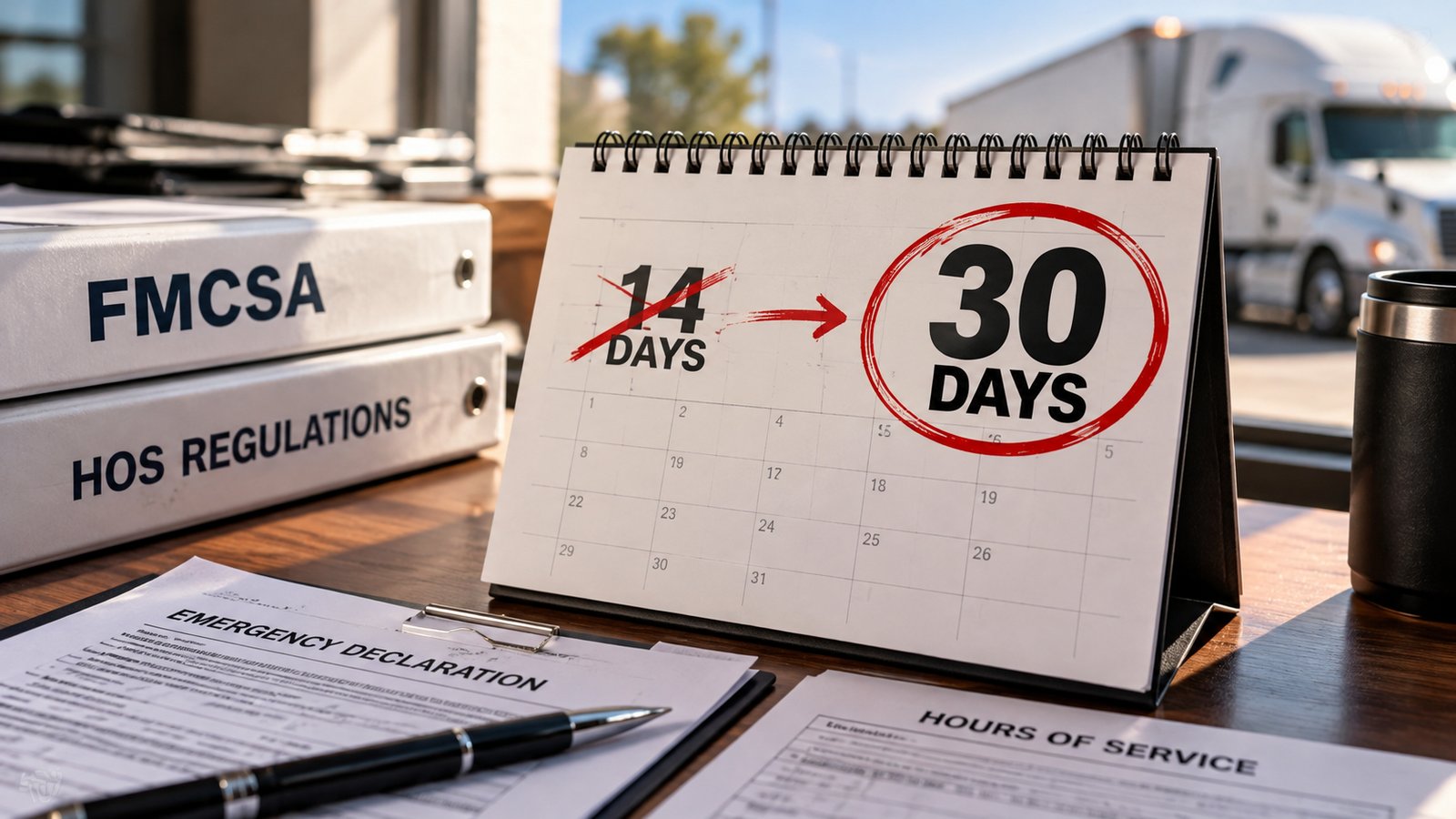
FMCSA signaled that many rules are coming in 2026, and small fleets will feel the pressure first in dispatch, trip records, and day-to-day driver communication. The safest move right now is getting the basics tighter before any final language drops.
If a fleet runs 3 to 50 trucks, this is the time to clean up the basics. No one can control what FMCSA publishes first, but a lot of the scramble can be cut down before the final language lands.
What it means for drivers and fleets
For a small fleet, rule changes rarely stay in the office. They show up when a dispatcher gives a route that no longer fits the day, when a driver gets mixed instructions from two people, or when a file that looked fine last month suddenly needs another document.
In March, FMCSA Administrator Derek Barrs said many rules were coming in 2026. That is not a final rule package, but it is enough of a warning for small fleets to look at the places that usually break first: trip planning, handoff between dispatch and driver, and records that need to be easy to pull without digging through texts, emails, and paper folders.
Which parts of a small fleet operation get messy first?
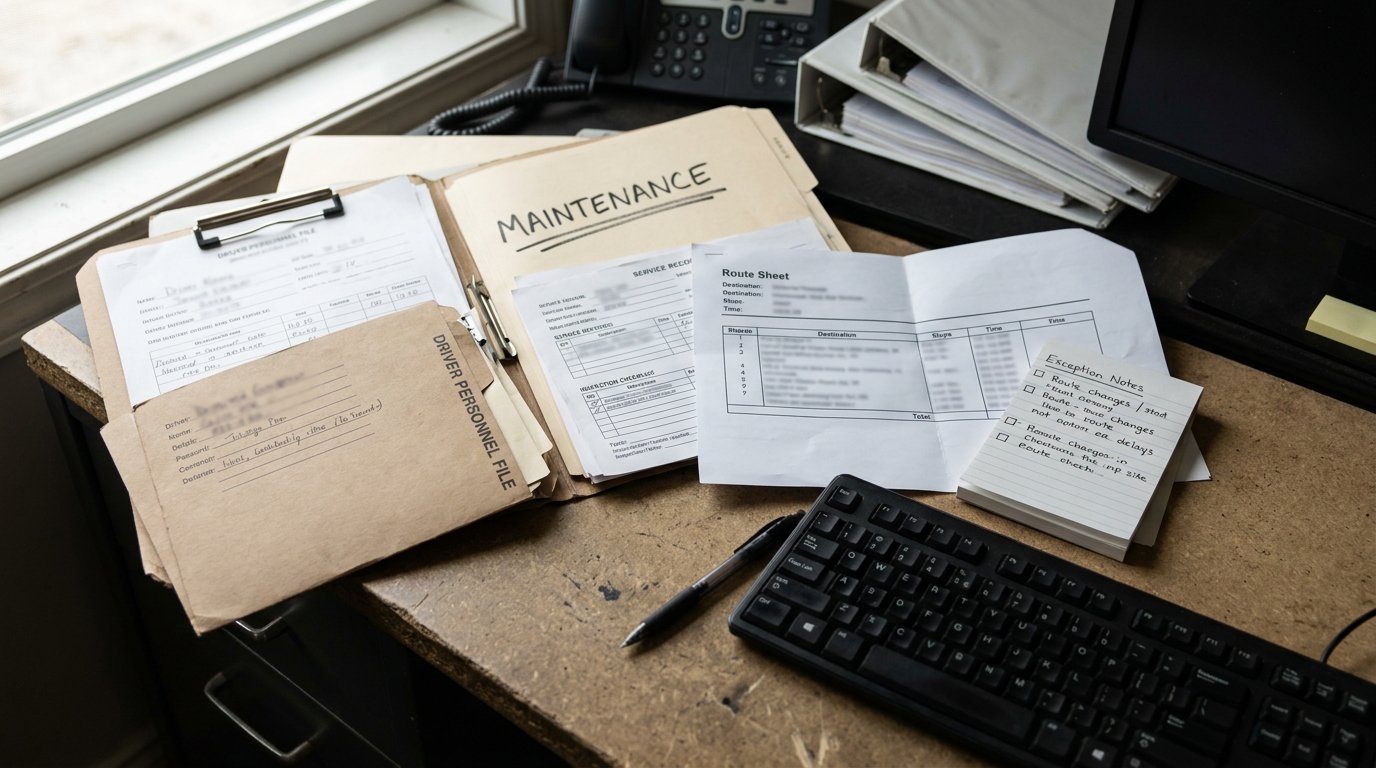
The information so far is broad, not detailed. Since FMCSA has teased a wave of rulemaking, small fleets are smart to watch the areas that tend to affect daily operations first: driver qualification files, equipment and maintenance records, hours-related workflows, routing discipline, and how the office documents what happened and when.
That does not mean every category gets a major rewrite. It means these are the places where a new rule, an updated interpretation, or a tighter enforcement focus can create the fastest pain for a small operation.
Take a simple example. A fleet with a decent safety culture but loose recordkeeping can run fine for months. Then one change lands, and now the office is hunting through emails, photos, paper folders, and text messages to prove the same thing they already knew. The problem is not always the rule itself. The problem is how hard it becomes to show the record clearly and fast.
Routing gets pulled into this too. If a fleet still relies on driver memory and one-off phone calls, any rule change that affects trip timing, staging, or missed appointments gets messy fast. A planned route with truck-safe restrictions in mind is easier to manage than a route built on the fly. Most fleets that use a truck route planner already know that every extra correction during the day adds friction.
How can a fleet get ready before the final text shows up?
Most fleets do not need a giant compliance project. They need a short list and one owner inside the company.
Start with the jobs that break first when rules change:
- Who tracks new FMCSA announcements and reads the actual text
- Where driver files, maintenance records, and policy updates live
- How dispatch tells drivers about route changes and special instructions
- How the fleet documents exceptions, delays, and out-of-route decisions
- How quickly the office can confirm what truck was where and when
That list sounds basic because it is basic. Small fleets get in trouble when basic work lives in too many places. One spreadsheet, some paper, a text thread, and a phone call might keep trucks moving, but it makes any new rule harder to absorb.
A better move is to run a dry check now. Pull one driver file, one truck file, and one recent trip. See how long it takes to answer simple questions: Was the route set in advance? Did the driver get the same instructions dispatch thinks it sent? Can the office show the path the truck took and any changes during the day? If those answers take too long, the fleet has its starting point.
Parking deserves a close look too, because this is where rule pressure turns into a same-day problem for the driver. When traffic stacks up, a receiver runs behind, or a route change comes in late, the trip does not just get annoying. It gets harder to finish the day cleanly. Fleets that check truck parking options ahead of time usually adjust better, especially when drivers have both crowd-reported parking availability and reservable parking as backup plans.
What habits need cleanup before new rules land?
Start with anything the fleet does by memory. If a process matters, write it down in plain language. That includes route setup, escalation when a driver cannot make an appointment safely, where inspection and maintenance documents are stored, and who signs off when something changes.
Then look at communication. A lot of small fleets lose track of details because the office tells one driver three different things in three different places. Put trip instructions in one channel, keep updates time-stamped, and make sure dispatch and safety are not working from different versions of the same run.
Driver coaching matters too. Most drivers do fine with change when the office gives them one clear standard. Trouble starts when the fleet reacts late and starts making up process in real time. Short refreshers beat long meetings. One page beats a binder nobody opens.
This is also a good time to review route settings for truck restrictions. Low-clearance and weight-limited roads are not new, but they become more expensive when a day is already tight. Commercial routing tools help reduce bad turns and wasted time, but drivers still need to verify locally when signs or temporary conditions change.
Frequently Asked Questions
Are the FMCSA rules for 2026 final yet?
Not based on what’s public so far. What is clear is that in March, FMCSA Administrator Derek Barrs said many rules were coming in 2026. That gives small fleets a reason to get organized before details start landing.
Which fleets are likely to feel changes first?
Small fleets usually feel them first because fewer people handle more jobs. The owner, dispatcher, safety contact, and after-hours phone can all be the same person, so even a small process change hits daily operations fast.
What is the first practical step a fleet can take now?
Pick one person to track rule updates and one place to store them. Then test one recent trip and see whether the office can quickly pull the route, instructions, and supporting records without digging through texts and paper folders.
Do drivers need to change how they run today?
Not based on what’s known so far. The smarter move right now is tighter habits: cleaner trip communication, better route planning, and fewer last-minute decisions that create confusion once new requirements arrive.
Can a routing tool help before the rules are even published?
Yes. It can help clean up the daily work that usually falls apart first, like building truck-safe routes, keeping dispatch and drivers on the same plan, and seeing trip changes as they happen. For drivers, that can also make it easier to line up fuel, stops, and parking before the day gets tight. A lot of fleets already use tools like the Trucker Path app for that kind of day-to-day planning.
Summary
- FMCSA signaled in March that many rules are coming in 2026, and small fleets will likely feel the operational impact first.
- The early pain points are usually records, route planning, driver communication, parking decisions, and proving what happened on a trip.
- Most of the prep work is simple: one owner for updates, one place for documents, and one clear process for trip changes.
- Fleets that tighten habits now usually have an easier time when final rule language lands.
Sources
If your fleet wants a cleaner way to plan truck-safe routes, keep drivers on the same page, and see trips as they change during the day, Trucker Path can help.