Fuel-Haul HOS Waiver Expanded: What Changed
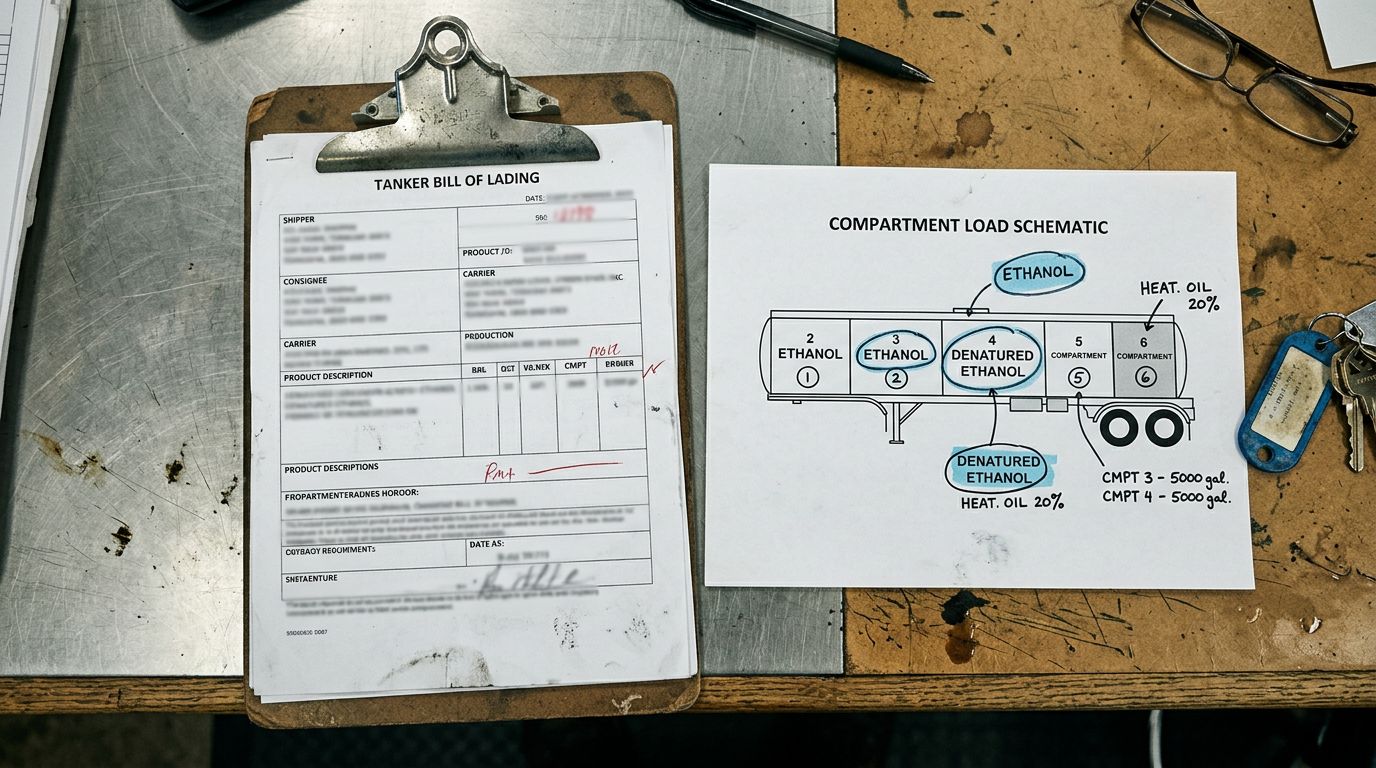
The fuel haul HOS waiver got broader for some tanker operations. FMCSA amended its waiver to add ethanol and denatured ethanol on Oct. 15, and carriers should confirm any conditions for hauling heating oil in a compartmentalized load directly with FMCSA.
That sounds simple until dispatch sends a mixed load and everyone assumes it qualifies. This update gives some fuel haulers more room to move, but only if the load, route, and paperwork line up with the relief FMCSA actually expanded — and only through Dec. 16, 2026, when the waiver is set to expire.
What it means for drivers and fleets
If your operation hauls ethanol blends, denatured ethanol, or mixed compartment loads that include heating oil, this change may cover runs that did not clearly fit before. The catch is that “fuel” is still too broad a word to use at dispatch. A driver hauling one product mix may fall under the waiver, while the next load out of the same rack may not.
For small fleets, this is where mistakes happen. A dispatcher marks a run as covered, the driver keeps rolling, and later nobody can show whether the product mix actually fit the waiver terms. No one needs that kind of argument on the side of the road or back at the office.
Which loads now fall under the fuel haul HOS waiver?
The change itself is pretty direct. FMCSA first issued the waiver Sept. 16, then amended it Oct. 15 to add ethanol and denatured ethanol, and carriers should confirm any related load conditions directly with the agency.
It also opened the door for heating oil as part of a compartmentalized load — FMCSA caps heating oil at no more than 75% of the total tank load at loading — but carriers should confirm any applicable limits directly with the agency.
That means a lot of fleets need to quit thinking in broad categories and start thinking in exact load makeup. “Fuel haul” is not enough by itself. The bill of lading, product description, and compartment mix all matter here.
A few other boundaries matter just as much as the product list:
- The waiver allows up to 16 hours of driving in a 24-hour period — not an open-ended exemption from HOS rules entirely.
- It covers interstate operations only; intrastate hauls need a matching waiver from the state itself.
- Carriers with a conditional safety rating cannot use the waiver at all.
A practical way to handle it is to check three things before a truck leaves:
- What exact product names appear on the shipping paperwork
- Whether the load includes ethanol or denatured ethanol
- Whether any heating oil in a compartmentalized load stays at or below the 75% threshold
If one person in the office says a load is covered and another person describes it differently, stop there and clear it up first. A lot of hours-of-service trouble starts with a loose description on a busy morning.
How do fleets check dispatch boundaries before using the waiver?
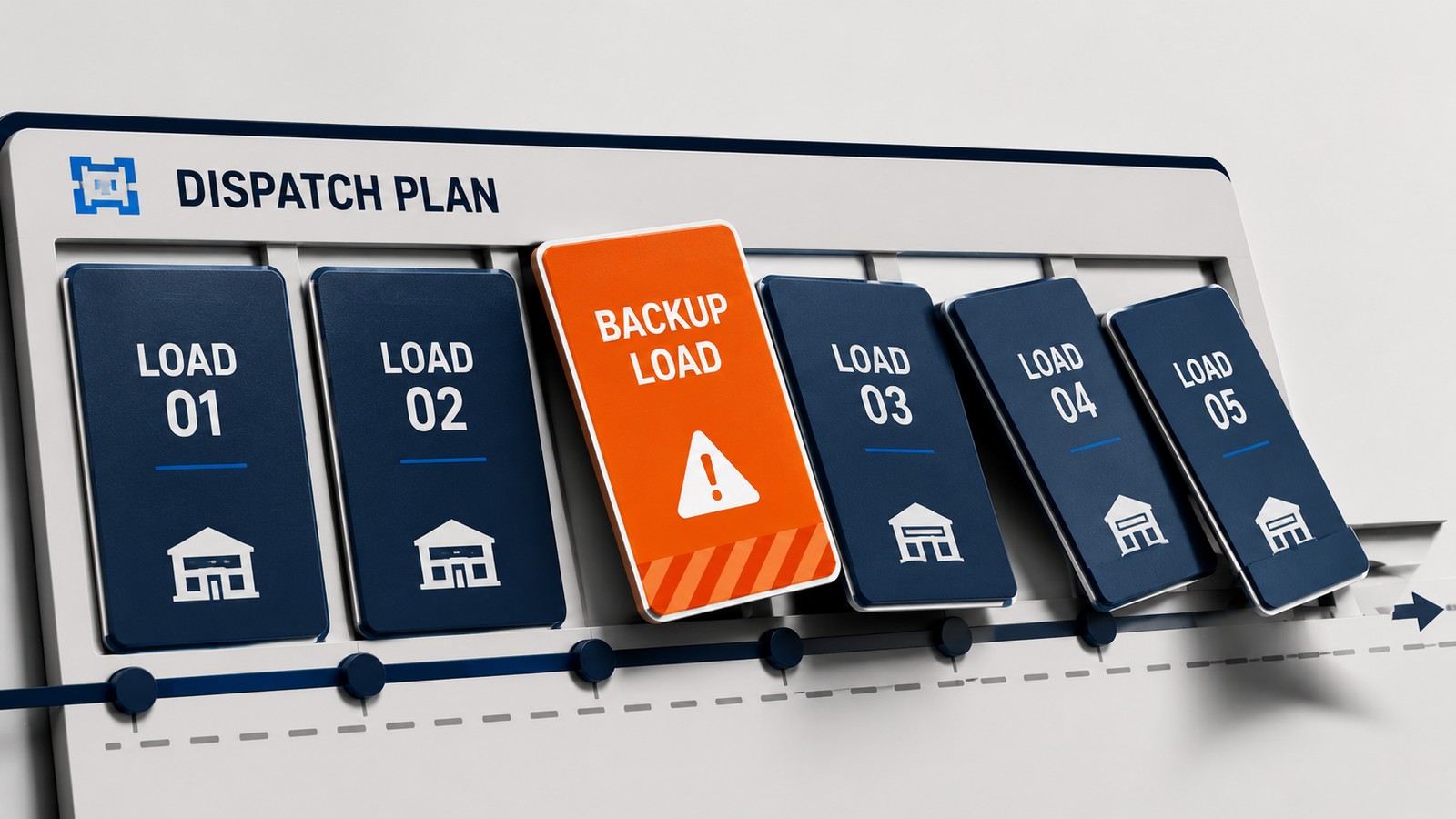
The hard part is not hearing that a waiver exists. The hard part is deciding which trips the office will actually dispatch under that waiver. Covered carriers need a simple line between waiver loads and regular loads, and every driver on that account needs the same instruction.
Most fleets handle this better when dispatch writes it load by load, not by customer name or lane nickname. If a driver gets a stop added, swaps trailers, or takes a different product on the back half of the shift, the original assumption can fall apart fast.
A clean process usually looks like this:
- Dispatch flags the load as waiver-covered only after checking the product description.
- The trip notes state why the load is covered.
- The driver gets the same wording the office is keeping in the trip file.
- If the load changes, dispatch re-checks the waiver before telling the truck to keep running under relief.
Route planning still matters here. Traffic, terminal backups, and late changes can turn a simple fuel run into a messy day. A commercial route that fits the truck helps cut down on avoidable detours, but every route still needs local verification.
What records need to be ready if a driver uses the waiver?
When a waiver gets expanded, recordkeeping usually decides whether the day stays simple or turns into a headache. The driver and the office both need to be able to show what product moved and why that trip was treated as covered.
That does not mean building a giant file for every load. It means keeping the basics straight and easy to pull up:
- There is no specific documentation required for verification, though retaining ordinary business records such as the bill of lading may be useful later — both for the motor carrier’s and driver’s own convenience, and to document use of the exemption if a future inspection or enforcement action asks about it.
- For mixed compartment loads, carriers should confirm directly with FMCSA what details, if any, are needed to show the load qualifies under the waiver.
- Trip notes if the load changed after dispatch.
A lot of fleets get burned here because the driver heard one thing, the dispatcher wrote another, and the paperwork says something else. Keep the wording tight. If the office calls it a covered ethanol load, the documents need to back that up.
It also helps to think past the load itself. If the run hits a packed terminal, a long unload, or a late stop, the day can get disorganized fast. Most drivers are better off knowing where they can fuel, stop, and park before the last hour of the shift. Pages like diesel stations nearby or truck parking near me can help with that basic trip planning.
Frequently Asked Questions
Did FMCSA expand the fuel haul HOS waiver?
Yes. FMCSA amended its waiver to add ethanol and denatured ethanol on Oct. 15. It also allows heating oil in a compartmentalized load when heating oil is no more than 75% of the total tank load.
Does every heating-oil load qualify under the waiver now?
No. Heating oil is only allowed as part of a compartmentalized load, at 75% or less of the total tank load. That is different from saying every heating-oil move is covered, and intrastate-only hauls still need a separate state waiver.
What is the main mistake fleets make with this waiver?
The biggest mistake is treating “fuel” as one category and assuming every related load qualifies. Dispatch needs to check the actual product description and the load mix before sending the truck under waiver relief.
What should a driver have with them if running a covered load?
Most drivers are better off having clear load paperwork and knowing how dispatch described the run. If the trip involves a mixed compartment load, the office needs enough detail on file to support that the heating oil portion stayed within the waiver limit.
How can a small fleet keep these waiver runs organized?
A simple process helps more than fancy language: mark the load, note why it qualifies, and keep the route and driver instructions together. If the day also includes fuel stops, breaks, and end-of-shift parking, a lot of fleets use Trucker Path to keep those moving parts easier to track.
Summary
- The fuel haul HOS waiver now includes ethanol and denatured ethanol, and runs through Dec. 16, 2026.
- Heating oil can qualify only as part of a compartmentalized load, at 75% or less of the total tank load.
- The waiver caps driving at 16 hours in a 24-hour period, covers interstate hauls only, and is closed to carriers with a conditional safety rating.
- Dispatch needs to check eligibility load by load, not just by customer or lane.
- Trip notes and load paperwork need to match the reason the run was treated as covered.
- Figures and waiver details may have changed since publication, so fleets need to confirm the current FMCSA terms before using the relief.
If your fleet needs one place to plan truck-safe routes, keep trips organized, and help drivers find fuel, parking availability, and reservable parking during waiver-covered runs, Trucker Path is built for that.
Sources
- Overdrive — “FMCSA expands national fuel-haul HOS relief”, accessed Oct. 2026
- Ethanol Producer Magazine — “DOT clarifies hours-of-service waiver applies to fuel ethanol”, accessed Oct. 2026