How HOS Exemptions for Holiday Hauls Work
Holiday HOS exemptions in 2026 only apply when an emergency declaration or similar order says they do. A normal holiday freight rush does not suspend hours rules. The key is knowing whether the load qualifies as FMCSA emergency relief, direct assistance, or a state-level exception, then keeping enough notes to explain the trip without guessing.
When does an FMCSA holiday HOS exemption actually apply?
This is the part that trips up a lot of drivers. “Holiday haul” is not its own federal HOS category. Thanksgiving grocery freight, Christmas retail freight, and Fourth of July beverage runs can all be time-sensitive, but that alone does not create an exemption.
Most HOS relief around holiday periods shows up only when an emergency declaration is active, or when a state temporarily relaxes certain hours rules for a specific event, shortage, storm response, or recovery effort. In plain language, the exemption comes from the written declaration, not from the holiday on the calendar.
A lot of guys hear “essential load” or “holiday emergency” over the phone and roll with it. That is where trouble starts. If no declaration exists, or if the load falls outside the named relief, regular hours rules still control the trip. The safest mindset is simple: run the load as standard HOS unless the exemption clearly covers that freight, that area, and that part of the trip. No one can talk a driver into an exemption that does not exist on paper.
What counts as direct assistance under a declaration?
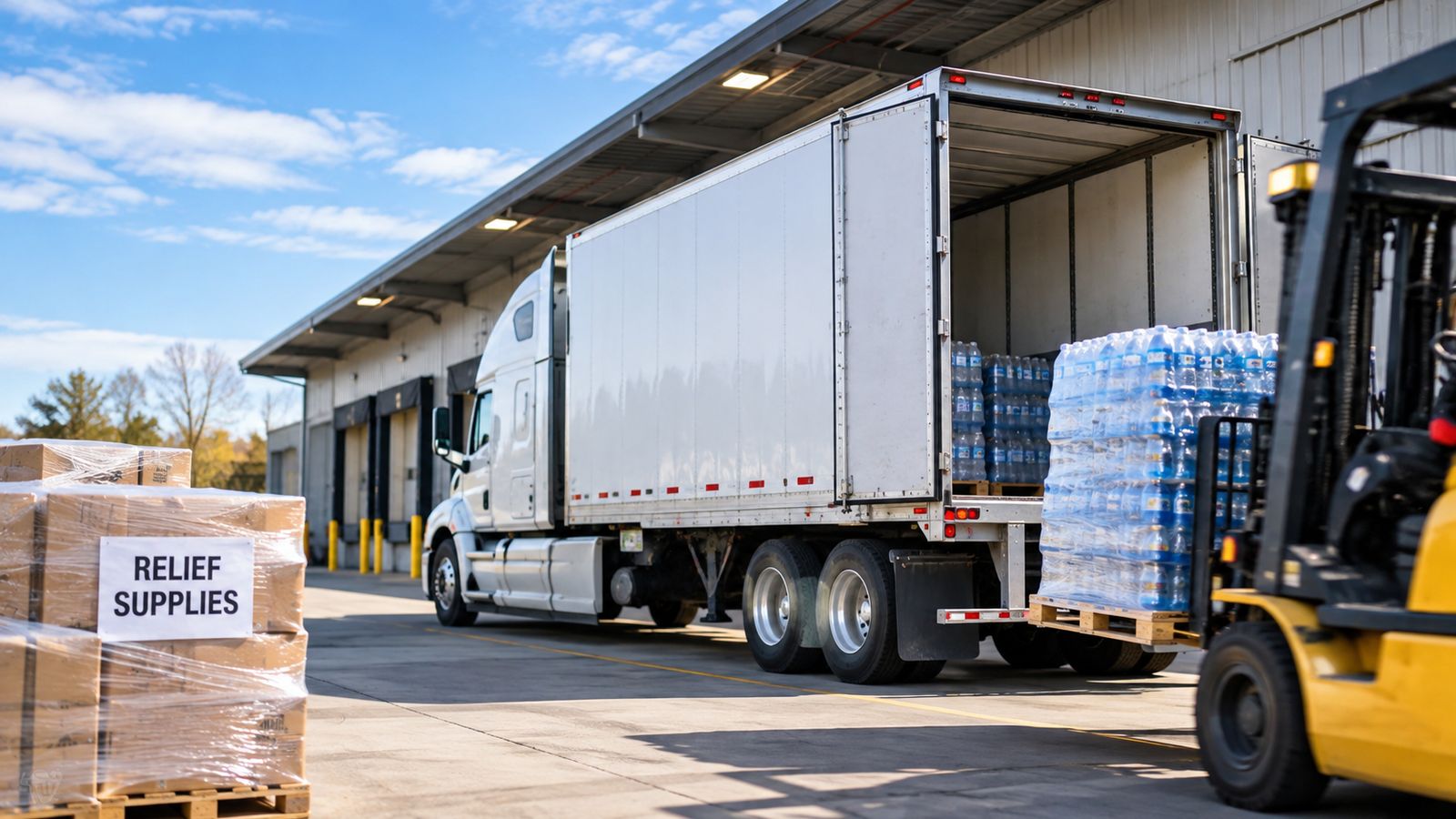
Common exemption scenarios usually involve direct emergency support. Think fuel after a storm, heating supplies during severe cold, power restoration equipment, livestock feed in a declared shortage, or food and water moving into a disaster area. Around holidays, that can overlap with heavy demand, but demand alone is still not enough.
The phrase to watch is direct assistance. In practice, that means the load directly supports the emergency named in the declaration. A useful way to think about it: hauling generators to a storm-hit area can fit; hauling regular retail inventory to stock up for holiday shoppers usually does not. Hauling bottled water into an area covered by an emergency order can fit; moving general grocery replenishment to a warehouse outside that relief area usually does not.
State declarations can get even narrower. Some cover only certain counties, certain commodities, or certain classes of motor carriers. Some apply only while the truck is moving relief freight into the affected area. Some stop once the immediate emergency work ends. That is why reading the actual declaration matters more than repeating what the shipper said. For trip planning, most drivers do better when they map both versions of the run: one as a normal HOS trip and one with the exemption boundaries marked out. A truck route planner helps lay out the route cleanly before the day gets messy, especially when the freight moves into areas with weather, closures, or tight delivery windows.
How do drivers document the load when HOS relief starts and ends?
This is where drivers get burned by half-heard advice. An HOS exemption does not mean “anything goes.” The declaration usually spells out what relief exists, where it applies, and when it starts and stops. If the explanation passed along to the driver sounds vague, the written declaration still controls.
Recordkeeping still matters. Most drivers protect themselves by keeping a copy of the declaration number or dispatch message that identifies it, plus basic notes on the commodity, pickup, delivery, and where the direct-assistance portion began and ended. If roadside asks what made the run exempt, “it was holiday freight” is a weak answer. “This load was direct assistance under an active declaration covering this area and commodity” is a lot cleaner.
Once the exempt portion ends, regular hours rules generally come back into play. That handoff is where route mistakes happen. A driver who pushes deep into the day under assumed relief can suddenly need parking, fuel, and a place to regroup. Looking ahead for truck parking near the route helps because the app shows free crowd-reported parking availability as Full, Some, or Many, and it also shows reservable parking when a hard stop needs to be locked in.
How do drivers plan a holiday run if the exemption might not apply?
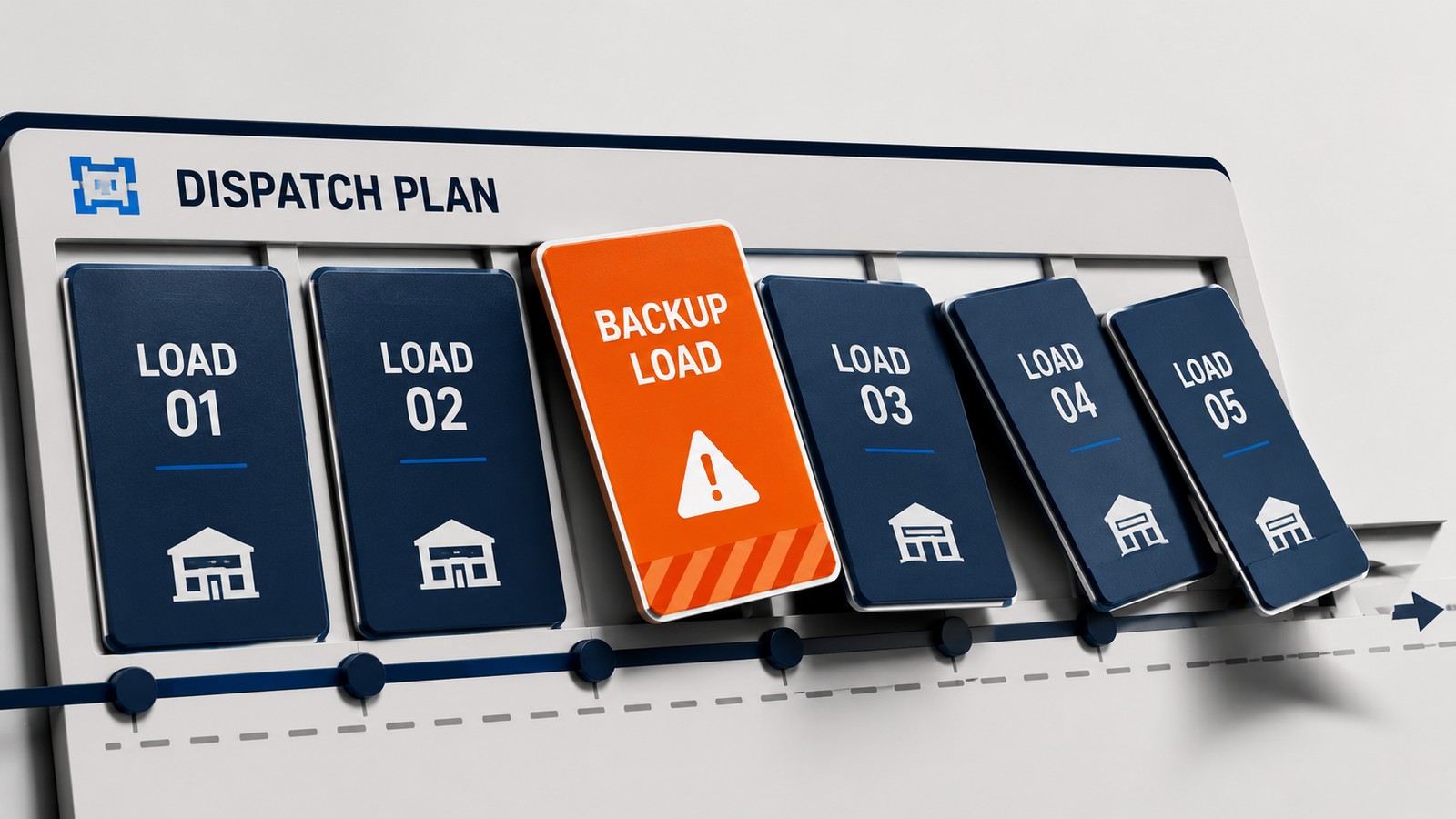
Most of the stress comes from not knowing which version of the day is real until the freight is already moving. The practical move is to build the trip as if normal HOS will apply, then layer the possible exemption on top. That keeps the run workable even if the declaration does not cover the load after all.
Start with the route. Commercial-safe navigation matters more during holiday traffic because a wrong turn near a city can eat up the cushion needed for fuel or parking later. The Trucker Path app gives drivers commercial routing, traffic and weather along the route, and detailed junction view, which makes it easier to spot trouble before the windshield does.
Then check the basic choke points:
- Fuel stops that fit the truck and the route
- Parking options before the day gets late
- Weather or congestion around the delivery area
- Weigh station checks as part of normal trip awareness, not as a way around enforcement
A lot of guys also watch fuel and stop options along the route instead of waiting until the tanks get low in a bad area. Using along-route diesel stop planning cuts down on last-minute decisions when holiday traffic stacks up at the same exits. If the exemption falls through, that prep still pays off because the run was built to work under normal hours.
Frequently Asked Questions
Are there HOS exemptions for holiday hauls?
Sometimes, but not just because it is a holiday. A real FMCSA holiday HOS exemption usually ties to an emergency declaration, disaster relief, or a specific state action covering certain freight or areas. Busy seasonal freight by itself does not create HOS relief.
Does hauling food for the holidays make a load exempt from HOS?
Not automatically. Food can qualify if it is moving as direct assistance under an active declaration tied to an emergency. Regular grocery replenishment or retail holiday freight usually stays under normal hours rules.
What does direct assistance mean for an HOS exemption?
It generally means the load directly supports the emergency or relief effort named in the declaration. That can include supplies, equipment, or commodities moving into the affected area. Once the trip shifts back to normal commercial hauling, the exemption may end.
Do drivers still need logs during an HOS exemption?
Drivers still need clear records showing what the trip was, what declaration applied, and when the exempt portion started and ended. The exact logging treatment can depend on the declaration and the setup in the truck. Good notes make roadside conversations a lot easier.
How can drivers check routes, parking, fuel, and weigh stations on holiday runs?
A lot of drivers use one app to keep the trip from getting scattered. Trucker Path combines commercial routing, fuel stop planning, parking availability with reservable parking, and weigh station information from crowdsourced reports plus official data feeds. That helps a driver plan the run whether the exemption applies or not.
Summary
- Holiday HOS exemptions come from emergency declarations or specific relief orders, not from holiday demand alone.
- The load usually needs to provide direct assistance to the event or area named in the order.
- Keep notes on the declaration, commodity, route, and where the exempt portion began and ended.
- Plan the trip as a normal HOS run first, then layer in the exemption if it clearly applies.
- Use routing, fuel, parking, weather, and weigh station awareness to stay organized when the day changes fast.