How Much Do Truck Drivers Make? Pay by Route, Miles & More
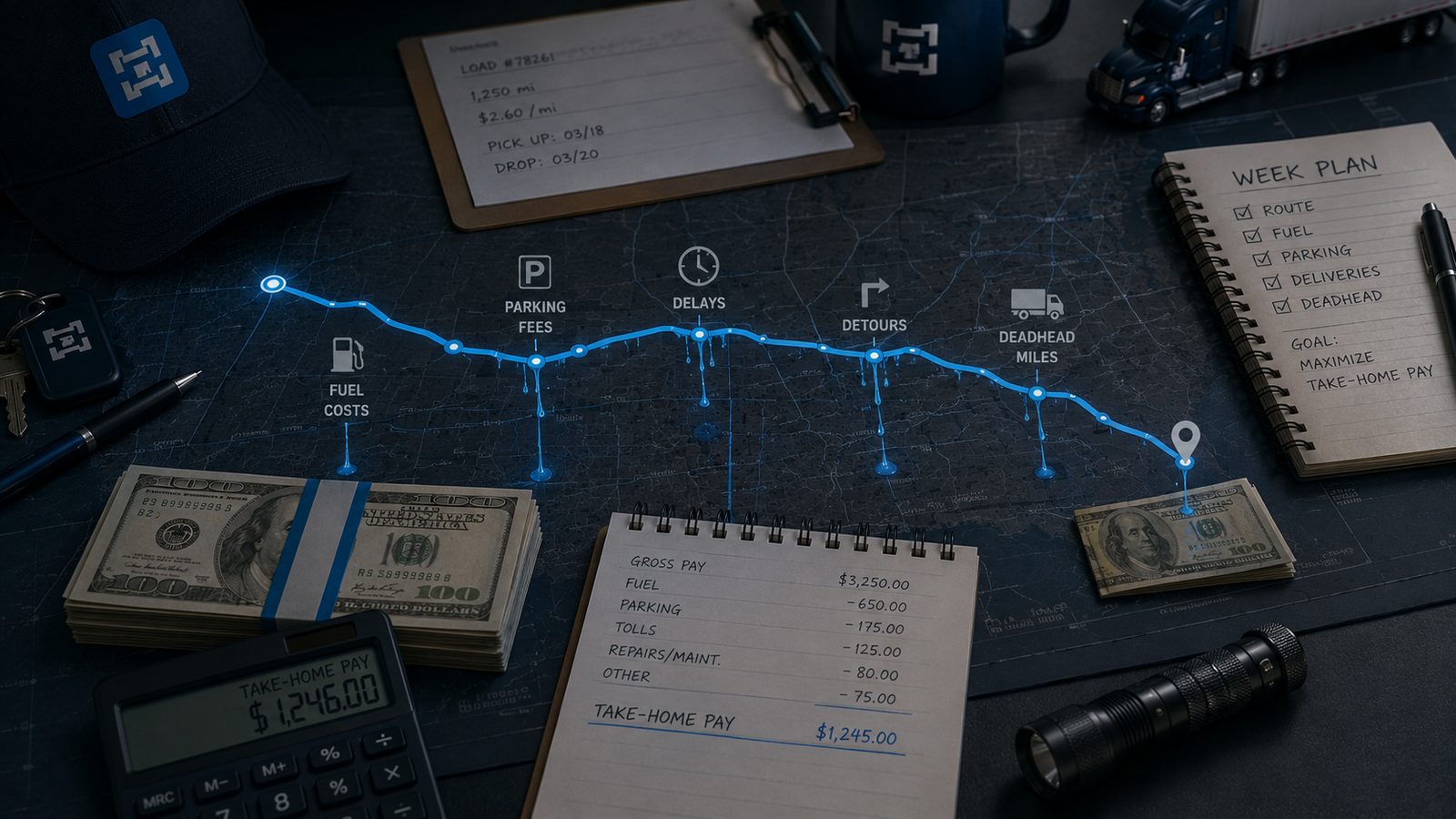
How much do truck drivers make in 2026? It depends on the pay model, freight, and experience, but take-home pay also changes with parking, route choices, fuel timing, and delays. Two drivers can run similar loads and still finish the week with very different money once wasted time and extra miles start piling up.
That part gets missed in most pay talk. Guys compare CPM, salary, or percentage pay, but the road pays out on execution too. A clean week and a sloppy week can look almost identical on paper until one driver burns time, fuel, and hours he never gets back.
How Much Do Truck Drivers Make in a Real Week?
Take two solo OTR drivers running similar long-haul freight for one week. Same truck class, same general lanes, same pay package, same number of dispatches. On the settlement sheet, both look close at first glance because the posted miles do not tell the whole story.
That gap starts with how drivers get paid. Some company jobs pay by the mile. Some pay a salary. Some add stop pay, detention, layover, or bonus money. Owner-operators and lease operators may work off the load revenue, then cover fuel, maintenance, insurance, and other truck costs out of that gross. So when drivers ask what truck drivers make per week, per mile, or per year, the honest answer changes by job type before the truck even leaves the yard.
Driver A plans fuel where prices make sense along the route, grabs parking before the evening crunch, and stays on truck-safe roads. Driver B gets pushed into a late stop, circles two packed lots, buys fuel where he lands instead of where he planned, and loses more time after a bad routing choice. Both worked hard. One week still pays cleaner than the other.
- Company drivers usually feel it through fewer productive miles, detention headaches, and missed reload timing.
- Lease operators feel it faster because every extra mile and every rough fuel stop hits the truck’s side of the ledger.
- Owner-operators feel it the most because wasted route time and poor trip timing cut both revenue and margin.
Where Does Truck Driver Pay Get Lost During the Week?
Most lost pay does not show up as one big mistake. It leaks out in pieces. A wrong turn onto a truck-unfriendly road, a long backup, a packed truck stop at the end of the day, or a fuel stop that looked fine until a driver pulled in and saw the line can all turn a decent run into a thin one.
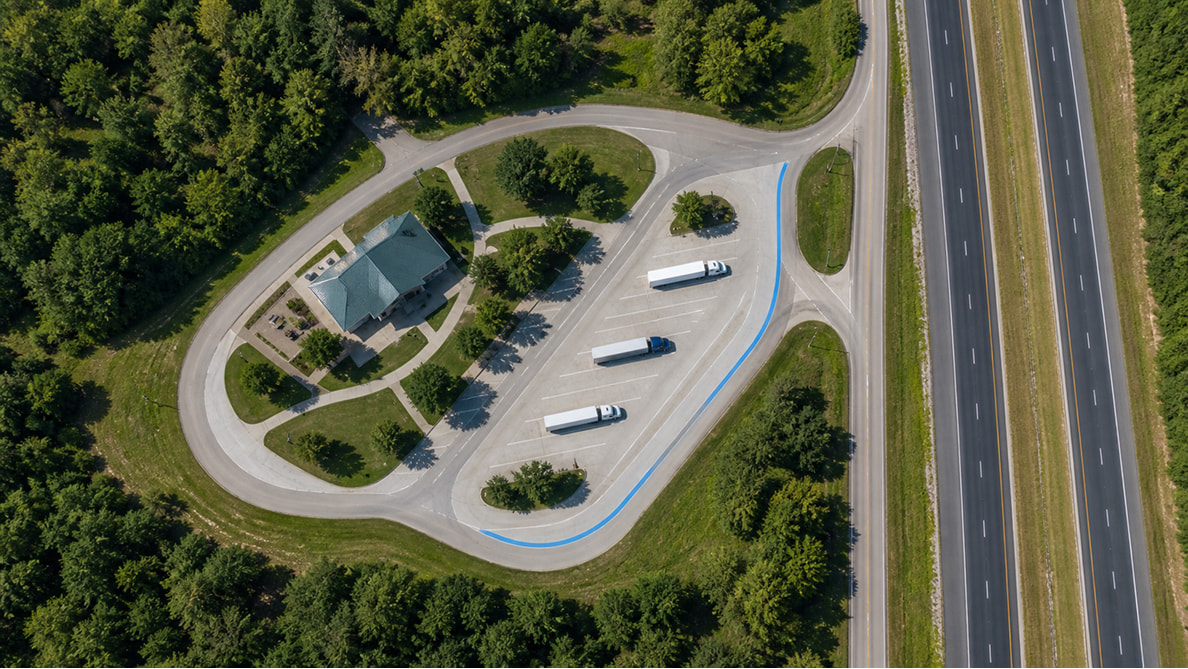
Parking is a big one. A driver who stops with a plan usually shuts down and rests. A driver who hunts for space late burns fuel, burns clock, and starts the next morning behind. That gap changes the whole next day, especially when the appointment window stays the same. One option worth running the numbers on: reservable parking. Booking a spot ahead of time instead of hunting for one typically saves a driver around 30 minutes of circling and backtracking — time that’s worth more than what the reservation costs, especially on a night when a lane is known to run tight on parking. Fuel matters too, but not just in the price on the sign. The stop itself matters. Easy in, easy out, enough room, and the right place along the route all help keep the trip moving.
Pay can also slip by type of work. Local drivers may lose time in traffic, dock waits, and extra stops. Regional runs often hinge on tight appointment windows and parking timing. OTR drivers feel long stretches of route inefficiency more than anything else. Flatbed, reefer, tanker, and oversized work each bring their own delay points, so average truck driver pay by freight type can look very different even before a driver factors in home time or benefits.
When pay feels lighter than the miles suggest, a lot of guys need better timing on stops, parking, and route setup before the week starts rolling downhill.
Can Better Route Planning Change Take-Home Pay?
Most drivers already know a clean route beats a messy one. The hard part is seeing the mess before it happens. A route that looks shorter on a general map can turn into a headache if it brings low clearances, weight-restricted roads, ugly city turns, or weather trouble that a truck-safe plan would have flagged earlier.
That changes earnings in quiet ways. More stress means more time lost. More time lost means later fuel, later parking, and tighter hours. By midweek, one small planning miss can snowball into a run of rushed decisions. A better week usually looks boring from the driver seat, and that is usually a good sign.
Experience matters here too. New drivers often focus on the posted rate because it is the easiest number to compare. Experienced drivers usually look harder at the whole week: how freight runs, how often the truck sits, how hard the docks are, whether parking gets ugly on that lane, and how often bad routing turns one delay into three. That is one reason truck driver pay by experience often rises with more than just seniority. Better judgment protects the week.
How Do Company Drivers vs. Owner-Operators Feel These Differences?
Company drivers often look at truck driver pay in terms of weekly miles, bonuses, benefits, and home time. If the week gets chopped up by delays, the pain shows up as fewer paid miles or a load that no longer fits the available hours. The truck keeps moving, but the paycheck may not reflect how much work the week really took.
Lease operators and owner-operators feel every drag point harder. Extra route miles, longer idle time, poor fuel timing, and late parking all come straight out of the trip. That is why two drivers talking at the fuel island can report very different money from what looked like similar freight. State and lane mix can matter too. Freight density, tolls, traffic, mountains, weather, and parking pressure all shape what a week feels like in different parts of the country, which is why average pay by state never tells the whole story by itself.
So, how much do truck drivers make? The honest answer is this: gross pay starts with the load and the rate structure, but real take-home depends on how well the week is managed once the wheels start turning. The driver who protects hours usually protects income too. For drivers who want one place to check truck-safe routing, parking, fuel stops, traffic, weather, and crowdsourced plus official weigh station status while building a cleaner week, the Trucker Path App is free to start.
Frequently Asked Questions
How much do truck drivers make per week?
Weekly pay varies by experience, employer, freight type, and how the run unfolds on the road. Two drivers with similar CPM can finish the week with different money if one loses time to bad route choices, late parking, fuel timing, or delays.
Do truck drivers get paid for all miles driven?
Not always in the way drivers think about the week. A lot of pay plans focus on dispatched or practical miles, so extra miles from wrong turns, circling for parking, or poor route setup may not help the paycheck the same way they help the odometer.
Who makes more: company drivers or owner-operators?
Owner-operators often have higher revenue potential, but they also carry more operating cost and more week-to-week risk. Company drivers usually have steadier pay, while owner-operators can feel the upside and the downside of trip planning much faster.
Does truck driver pay change by state or route?
Yes. Pay can feel different depending on freight demand, tolls, traffic, weather, terrain, and how hard parking is on that lane. A higher-paying run on paper can still turn into a rough week if the route eats hours and adds delays.
Is it worth paying for reservable parking?
For a lot of drivers, yes. A reserved spot removes the guesswork on a tight-parking night, and the roughly 30 minutes saved from not circling a full lot usually outweighs the cost of the reservation, especially when that time is the difference between staying legal on hours and running short.
Does route planning really affect how much truck drivers make?
Yes. Good route planning helps cut wasted miles, late arrivals, bad fuel timing, and hours lost chasing parking. Over a full week, that can change how much productive driving a driver gets done, which changes what the week pays.
Summary
- How much do truck drivers make in 2026 depends on more than CPM, salary, or load percentage alone.
- Pay changes by job type, freight type, route, experience, and how clean the week runs once dispatch sends the load.
- Late parking, extra miles, traffic trouble, dock delays, and poorly timed fuel stops are common places where pay leaks away.
- Reservable parking can pay for itself — saving roughly 30 minutes of hunting for a spot is usually worth more than the reservation fee.
- Two drivers on similar freight can finish with different take-home because small planning decisions stack up all week.
- The cleaner the trip plan, the better chance a driver has to protect productive miles and finish the week without giving money back to the road.
Sources
- No external sources cited.