How Telematics Affects Your Truck Insurance Renewal
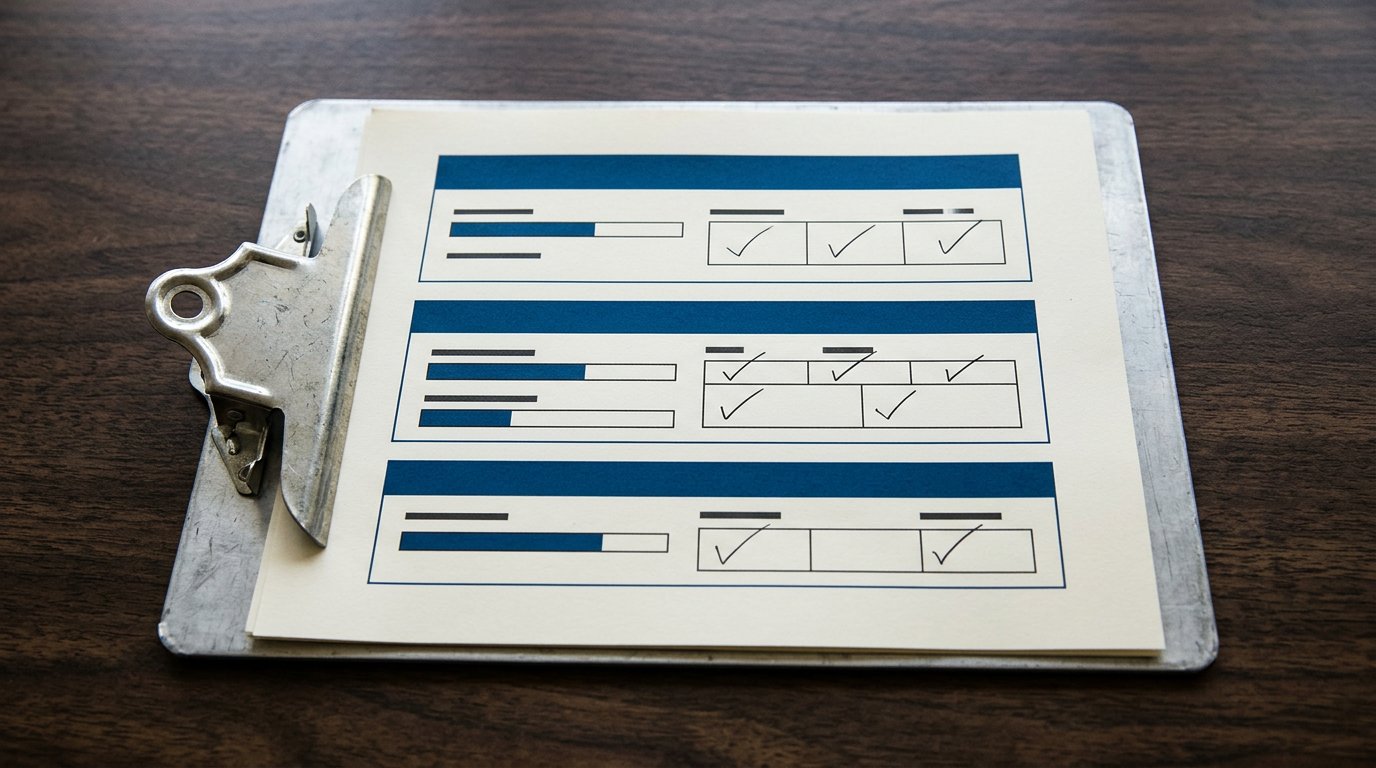
Telematics can affect truck insurance renewal decisions in 2026, not just claims history. This week’s FreightWaves report makes the shift plain: connected-truck data is becoming part of how underwriters judge day-to-day operating habits, so small fleets need to review patterns before renewal, not after quotes come back.
FreightWaves put it plainly in “The Data Your Truck Sends Home Is Becoming Your New Credit Score, And Your Insurance Rate Too”. The report points to a real example already in motion: Daimler Truck has a connected-insurance pilot with Geico aimed mainly at small fleets, built around treating truck data less like a back-office report and more like a credit-style risk score. That matters because a lot of small fleets still treat telematics like a back-office tool, while underwriters are starting to treat it like a window into how the trucks really run.
What it means for drivers and fleets
Picture a three-truck fleet that had an okay year on paper. No major blowups, loads kept moving, customers stayed happy. Then renewal comes around, and the broker sees a pattern in the truck data: late hard stops, repeated speeding events, long idle stretches, route changes that look unplanned, and inconsistent driver behavior from truck to truck.
That is where the pain starts. The carrier is now trying to explain a story with documents after the fact, while the underwriter is looking at machine-captured habits that feel more “real” than a verbal explanation. No one can control every bad traffic day, but fleets can control the rules drivers run under and how they coach off the scorecard before the quote gets built.
Which telematics patterns do underwriters notice before truck insurance renewal in 2026?
A lot of fleets think claims history is the whole file. It is not. The FreightWaves report says underwriters are using truck data more like a behavior score, which means recurring patterns can draw attention even when a fleet is still moving freight and serving customers.
- Hard braking and hard acceleration: One event alone may mean nothing. A repeat pattern can look like rushed driving, tailgating, or poor trip planning.
- Speeding events: Not a one-off downhill creep. A repeated pattern above posted or governed expectations tells a bad story.
- Long idle time: Insurance is not pricing fuel burn directly, but idle can point to poor planning, congestion habits, or schedule pressure.
- Route drift: Detours happen. Constant off-route movement can make dispatch discipline look loose.
- Inconsistent behavior by truck or driver: Underwriters notice when one unit looks clean and another looks wild under the same company name.
The hard part is that drivers often collect these marks during ordinary bad days: downtown deliveries, tight appointment windows, surprise traffic, or hunting late for parking. A dispatcher who sends a vague route and a driver who starts parking too late can create a telematics trail that looks riskier than the load itself.
For drivers, that means small habits matter more than they used to. A rough week with repeated hard stops near customer yards, constant reroutes through city streets, and end-of-day parking scrambles can become part of the renewal conversation even if no claim followed.
How can small fleets set telematics scorecard rules that hold up at renewal?
This is where plenty of fleets get sideways. They install tracking, pull reports when something goes wrong, and then act surprised when drivers hate the system. Bad scorecard policy creates bad telematics data because drivers stop trusting the rules.
Fair rules are simple, written down, and tied to things a driver can actually control. If the dispatch plan says one thing but the scorecard punishes the driver for following it, the whole program falls apart.
Start with three guardrails
- Define what counts as a coaching event. Fleets need one standard for speeding, harsh events, idle exceptions, and route deviations. If every manager reads the report differently, the score means nothing.
- Write down approved exceptions. Traffic jams, weather, shipper delays, and safe parking searches all affect the day. Drivers need to know what gets reviewed in context instead of counted blindly.
- Coach trends, not single moments. One bad brake event in city traffic is not the same as a weekly pattern. Fleets that react to every alert usually create noise, not improvement.
The next piece is consistency. If one dispatcher pushes impossible appointment timing and another gives drivers room to breathe, the telematics report will show the difference even if nobody says it out loud. That is why many small fleets do better with one scorecard policy that dispatch, safety, and drivers all see before renewal season sneaks up.
Parking policy belongs in that same conversation. When drivers are scrambling at the end of the day, speed, hard stops, and bad decisions stack up fast. Fleets that plan parking earlier and use both free crowd-reported parking availability and reservable parking usually put less late-day pressure on drivers.
What should a carrier review 30 days before truck insurance renewal?
The month before renewal is not the time to discover the scorecard has been ugly for half the year. By then, the carrier is trying to explain away a pattern instead of showing that it was managed.
A practical review usually includes:
- Driver-by-driver trend checks: Look for repeat harsh events, speeding clusters, and units with much worse behavior than the rest of the fleet.
- Route discipline: Compare planned versus actual movement. Too many off-route decisions may point to weak dispatch instructions or poor navigation setup.
- Idle exceptions: Separate real operational delays from avoidable waste.
- Coaching notes: Make sure every problem pattern has a date, a conversation, and a follow-up.
- Policy cleanup: If the written driver policy does not match real operations, fix the document before the broker presents the account.
This is also the right time to look at where drivers lose the day. If delays start with bad route planning, fuel stops picked too late, or parking found at the last minute, the telematics score often reflects that stress. Fleets can also compare route plans against the truck-safe navigation drivers are expected to follow and verify local restrictions and signs on the road. For fleets that want drivers working from the same trip plan, tools like the Trucker Path app and its truck-safe routing features can help keep instructions cleaner.
One more thing: keep the story straight. The broker’s job is to present the account well, but the carrier has to bring the operating record, the policy notes, and the proof that unsafe-looking patterns got addressed. If the files are thin, telematics can speak louder than the explanation.
Frequently Asked Questions
Can telematics really affect truck insurance pricing?
Yes. The current shift is that underwriters are looking beyond claims history and using connected-truck data as another signal of how a fleet operates day to day. That can help a fleet with clean habits or hurt one with repeat risky patterns.
Do a few bad driving events automatically raise premiums?
Usually, a pattern matters more than a single event. A rough day in traffic is different from repeated harsh braking, repeated speeding, or constant route drift across multiple trips. Fleets get in trouble when nobody reviews trends until renewal time.
What is the biggest mistake small fleets make with telematics?
A lot of them collect data without setting driver rules first. Then they try to coach off reports that dispatch never explained and drivers never bought into. That creates confusion, arguments, and ugly renewal conversations.
How early should a fleet clean up its scorecard before renewal?
Earlier is better, but a review at least 30 days before renewal gives the carrier time to spot trends and organize coaching notes. That window also helps the broker present a cleaner story instead of scrambling after quotes come back.
What helps reduce the late-day problems that often show up in telematics?
Clear route plans, realistic appointment timing, and earlier parking decisions help a lot. Many drivers also use parking tools that show both free crowd-reported parking availability and reservable parking so they are not making rushed decisions at the end of the clock. For related trip planning, some fleets also keep nearby fuel, stops, and parking locations handy through pages like truck stops near me.
Summary
- Truck telematics insurance decisions now depend on more than losses on paper.
- Underwriters may read repeat speeding, harsh events, idle time, and route drift as operating habits, not random noise.
- Small fleets do better when dispatch rules, driver policy, and scorecard coaching all match.
- A 30-day pre-renewal review gives the carrier and broker a cleaner file to work with.
- Better route planning, earlier parking decisions, and consistent coaching can reduce the patterns that raise questions at renewal.
If your fleet wants cleaner route plans, shared driver instructions, and an easier pre-renewal review, try Trucker Path.