How to Plan the Safest Routes for Black Friday Weekend
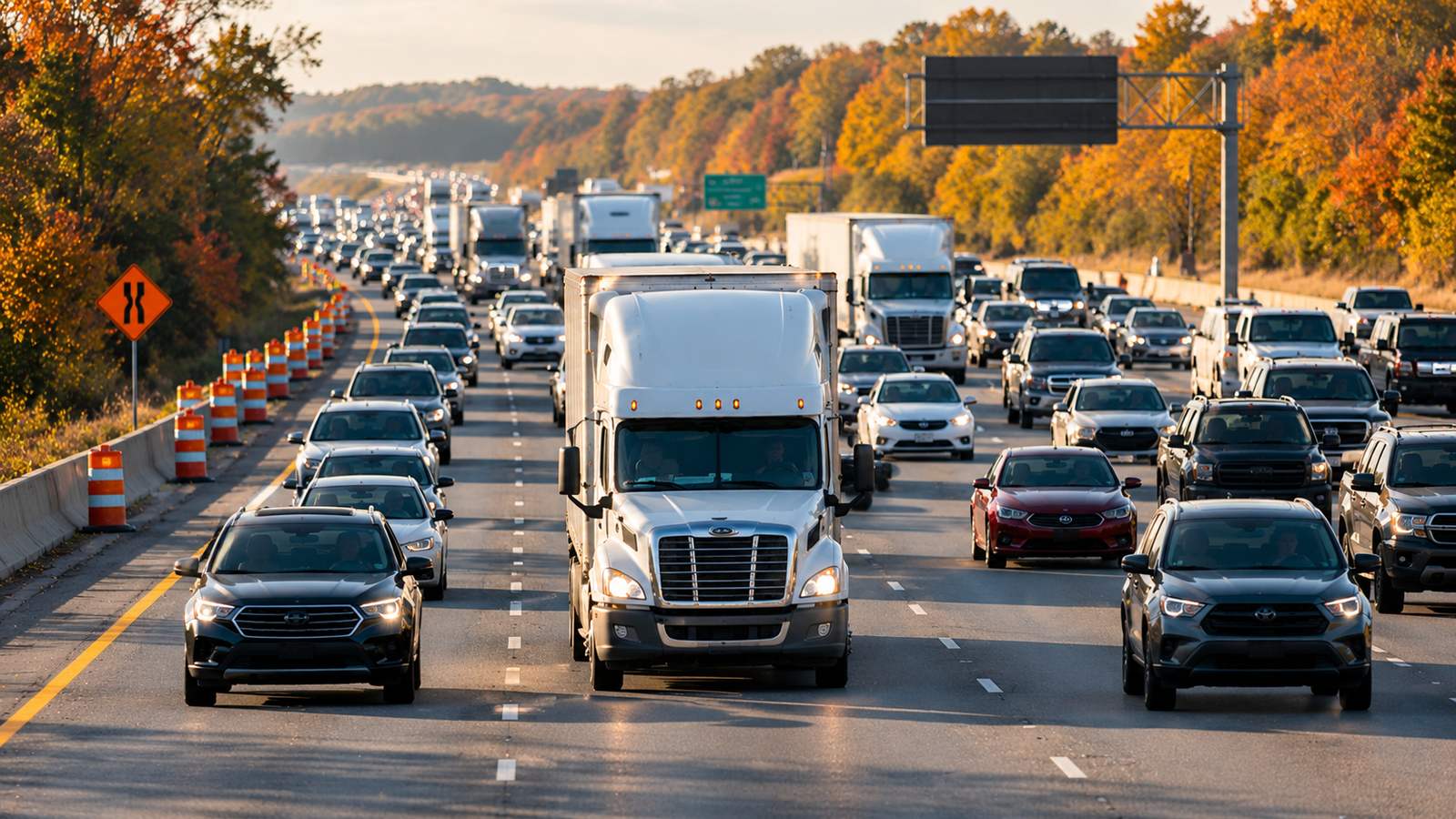
The safest routes for Black Friday weekend are usually the ones with the fewest surprises, not the fewest miles. Traffic stacks up around shopping corridors, parking availability disappears earlier than normal, and one bad detour can turn a calm run into a long, risky day. A lot of drivers get through it by building the route around truck-safe roads, early parking decisions, and a couple of backup stops before they ever leave the yard.
How do drivers pick the safest routes for Black Friday weekend before rolling?
Black Friday traffic does not stay neatly around malls. It spills onto interstates, clogs exit ramps, and backs up the same fuel plazas and service roads truckers count on every week. The safest move is to start with a commercial route, then look hard at the places where holiday traffic pinches down: big retail exits, major metro bypasses, and short connector roads that look fine on a car map but make no sense in a tractor-trailer.
A practical example is a run that skirts a major shopping belt on the edge of a metro instead of cutting across it in the afternoon. Another is choosing a bypass that keeps the truck on interstate pavement rather than dropping onto a busy retail arterial with multiple lights, tight right turns, and cars diving across lanes. That is where the Trucker Path app helps in a practical way. Its commercial routing accounts for low bridges, weight-restricted roads, and hazmat zones, so the route starts truck-safe instead of car-safe. On top of that, traffic and weather layers help drivers spot the difference between a clean run around a city and a route that will drag them into stop-and-go traffic for hours. If a route needs a second look before the trip starts, the truck route planner is a good place to map it out.
A lot of old hands also build two versions of the trip. One is the primary route. The other is the “if traffic goes sideways” route that keeps the truck on major roads and away from dense shopping areas. No one can control holiday congestion, but drivers can keep themselves out of the worst choke points by planning wide instead of planning optimistic.
Where do parking problems turn a safe trip into a bad one?
Parking is where a decent Black Friday run often goes bad. A driver loses time in traffic, arrives later than planned, and then starts bouncing from one full lot to the next. That is when stress climbs, hours get tight, and good judgment gets harder to hold onto.
The safer play is to decide on a stopping window early in the day and check parking availability well before that window arrives. In Trucker Path, drivers can see free crowd-reported parking availability as Full, Some, or Many, which beats finding out the hard way at the end of the ramp. It also helps to line up a primary stop and at least two backups on the same corridor. For example, if the first stop fills early, a backup within the same travel lane can save a last-minute cross-town scramble. For drivers trying to narrow down options, the truck parking near me page shows the kind of places worth checking before the day gets late.
There is also the other half of the parking problem: sometimes crowd-reported availability is not enough because demand is just too high. That is where reservable parking matters. A useful number to keep in mind: a driver who has a spot reserved typically saves around 30 minutes of circling and searching, which more than covers the cost of the reservation. On Black Friday weekend, that half hour can also mean less circling, less rushing, and less temptation to stop somewhere that does not feel right.
How can fuel stops and rest breaks make the route safer?
On a normal weekend, a driver can get away with deciding on fuel a little late. Black Friday weekend is different. Busy ramps, crowded lots, and packed service areas make last-minute fuel decisions a good way to burn time and patience.
Most drivers do better when they pick fuel stops as part of the route, not as an afterthought. A useful habit is choosing fuel before the retail traffic builds and before parking demand starts to spike. Trucker Path lets drivers compare along-route fuel options and see truck stops on the way, which makes it easier to fuel earlier, skip the most jammed-up locations, and time a break where there is actually room to get in and out. The point is not chasing a perfect price. The point is keeping the truck out of bad stop-and-go situations and keeping the day on rhythm. Drivers looking ahead for stop options can also check truck stops near me before the day gets tight.
Rest breaks matter the same way. A stop that is easy to enter, easy to park in, and close to the route is usually safer than pushing on and hoping the next place works out. Black Friday weekend punishes late decisions, especially once traffic starts stacking up near metro areas and retail exits. A break taken a little early at a workable stop usually beats fighting for space after dark in a packed lot.
What should drivers check on the route the morning of Black Friday?
A route can look fine the night before and still turn ugly by daylight. Weather shifts, a crash blocks a lane, or a fuel stop that usually works turns into a zoo because everybody had the same idea. Most drivers do one more pass on the route before they pull out, even if they planned it carefully the day before.
That morning check is pretty simple. Look at traffic, weather along the route, and any live highway cameras that cover mountain passes, busy interchanges, or trouble spots. In tighter urban areas, detailed junction view can help drivers stay calm and stay in the correct lane when signage comes up fast. Apple CarPlay support also helps keep the route in view without fumbling around with a phone. A short review of backup fuel, backup parking, and one alternate stop can make the rest of the day easier when traffic starts stacking up earlier than expected.
Weigh station information also has a place in planning, but not as a way to route around enforcement. It helps drivers know what is coming up on the trip and avoid getting surprised near major checkpoints. Trucker Path shows weigh station information using crowdsourced reports plus official data feeds, which fits into the broader picture of road awareness on a busy holiday run. If a driver wants that broader planning view in one place, open the Trucker Path app before rolling.
Frequently Asked Questions
What are the safest routes for Black Friday weekend?
The safest routes for Black Friday weekend usually stay on truck-approved highways and avoid dense retail corridors, tight city connectors, and late-day parking scrambles. Most drivers get better results by planning for traffic, weather, fuel, and parking together instead of chasing the shortest route.
Is it better to drive early on Black Friday weekend?
Early starts often help because parking availability is better and local shopping traffic has not fully built yet. The catch is that conditions can still change fast, so drivers still need a same-day check for traffic, weather, and stop plans.
How do truck drivers find parking during holiday weekends?
A lot of drivers check parking availability hours before they stop, not when they are already tired and low on options. Free crowd-reported availability and reservable parking both help, especially when a driver keeps one main stop and a couple of backups in the same lane of travel.
Should drivers avoid cities on Black Friday weekend?
Not every city is a problem, but retail-heavy corridors and busy suburban exits can turn into slow, messy driving fast. If there is a truck-safe bypass that keeps the day smoother, many drivers take it and skip the holiday congestion.
What makes a holiday route safer for truckers?
A safer holiday route gives the driver room to adapt. That usually means commercial-safe routing, fewer choke points, planned fuel and rest breaks, and a parking decision made before the end of the day gets tight.
Summary
- Pick the safest routes for Black Friday weekend by starting with truck-safe routing, then checking traffic and weather on top of it.
- Make parking decisions early and use both free crowd-reported parking availability and reservable parking when demand is high.
- Plan fuel stops and breaks along the route so the day stays steady and last-minute detours stay off the table.
- Do one final route check the morning of travel for traffic, weather, cameras, backup stops, and key road conditions.