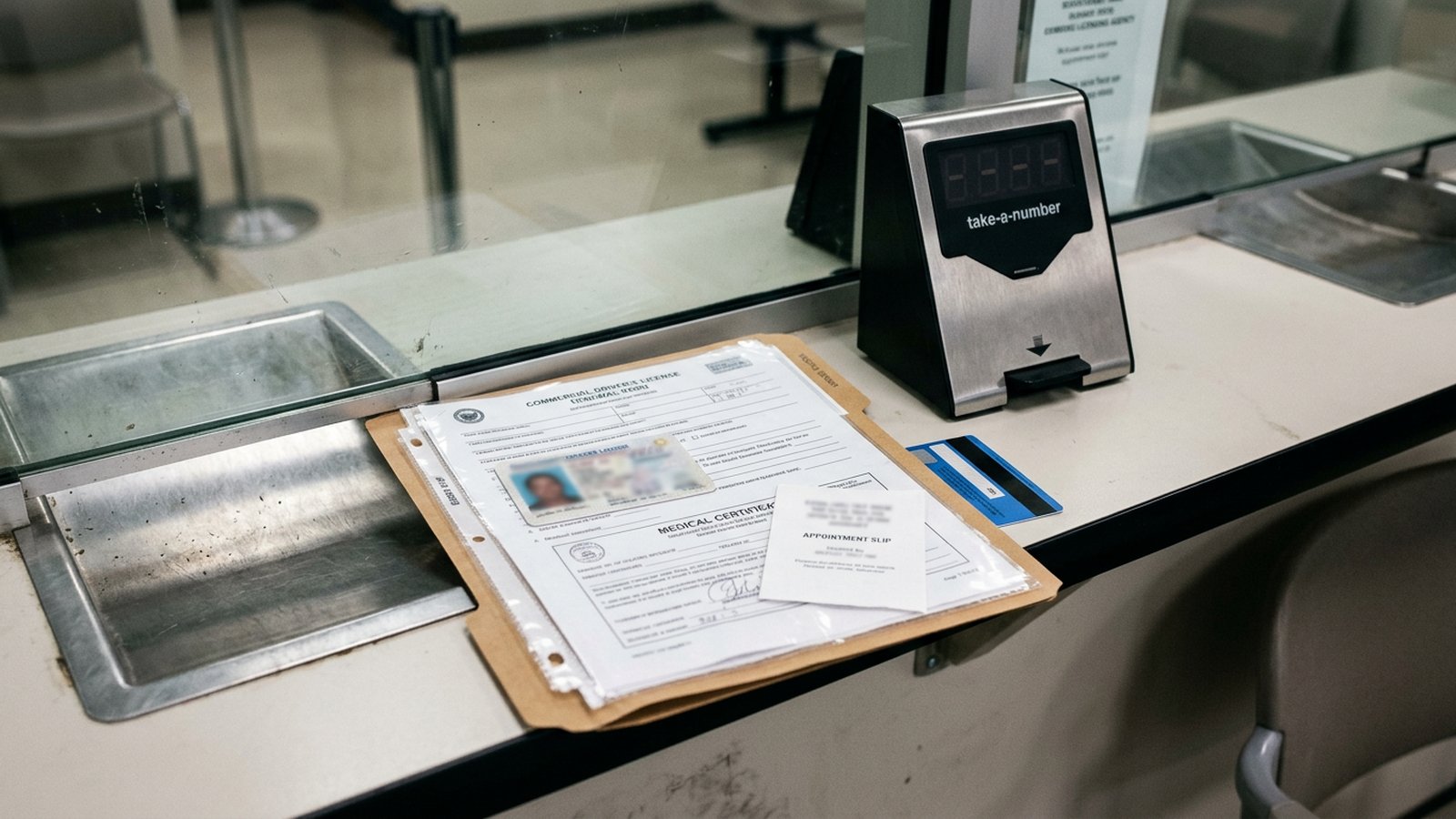
How to Spot a Fictitious Pickup Before Your Load Is Stolen
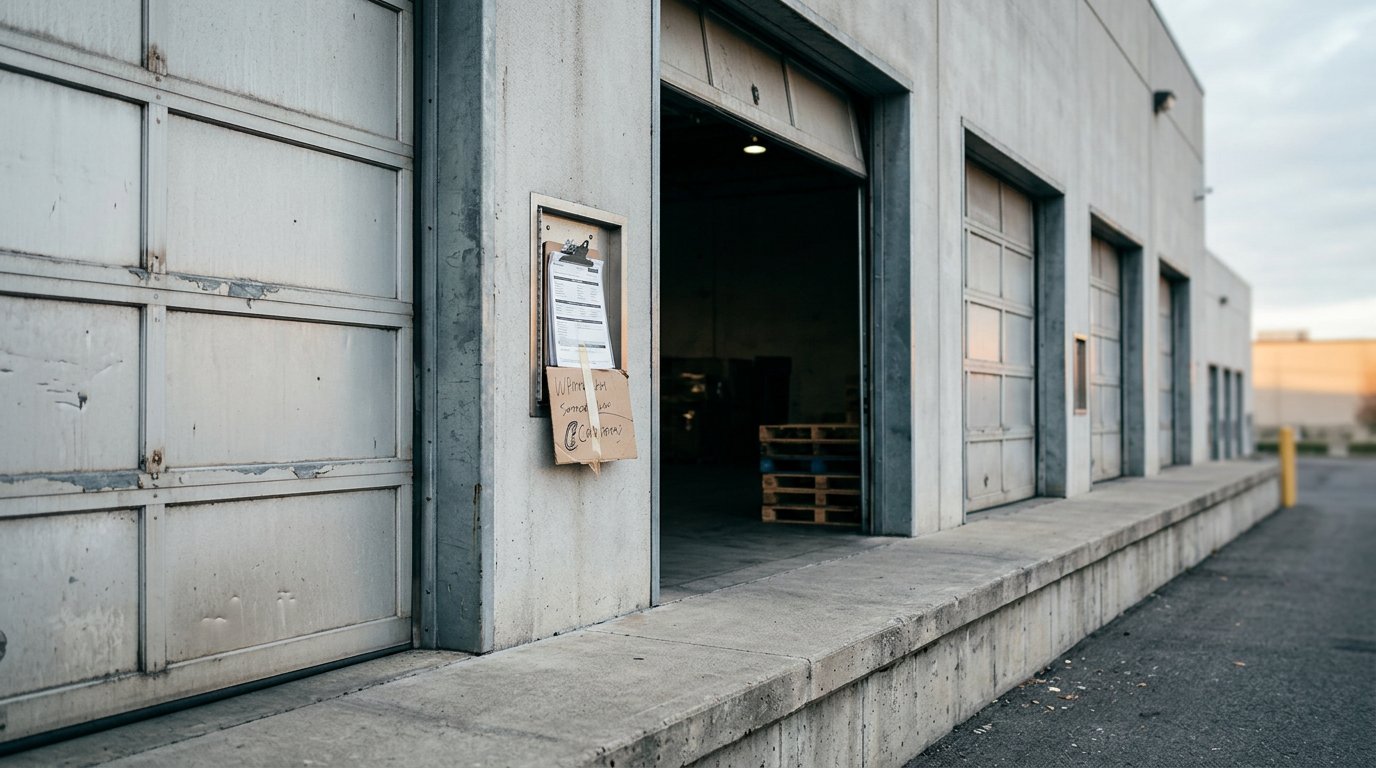
A fictitious pickup is cargo theft by paperwork: someone poses as a legitimate carrier, gets a load tendered to them, and shows up at the dock to drive away with freight they were never supposed to haul. Nobody cuts a lock. The shipper loads the trailer for them.
It is also where cargo theft is heading. In Verisk CargoNet’s third-quarter 2026 report, overall reported thefts fell 33% from a year earlier, but fictitious pickups held nearly steady at 138 incidents and grew to roughly one in four reported cases, up from 18%. The average loss per theft through September rose about 72%, to $448,456. Fewer thefts, bigger ones, and more of them done by impersonation.
For owner-operators and small fleets, that is not just a shipper’s problem. A fictitious pickup usually needs a real carrier’s identity to hide behind, and the same impersonation tricks get used on carriers through fake brokers and last-minute instruction changes.
How does a fictitious pickup actually work?
Most schemes follow the same arc. A criminal sets up as a carrier that looks real on paper. Sometimes that means copying an existing company’s name and DOT and MC numbers. Sometimes it means buying an old, dormant authority that already has history. Sometimes it means taking over a real carrier’s email account, so the insurance certificate and authority all check out. Then they bid on loads, often high-value or easy-to-resell freight, and push for a quick pickup with as little back-and-forth as possible.
Once the load is tendered, a driver shows up at the shipper with paperwork that looks right. The warning signs tend to be small and easy to miss on a busy dock:
- The MC number the driver gives does not match the one the broker booked.
- The driver’s name, truck number, or pickup time changes shortly before arrival.
- Emails come from a domain that is one letter off from the real carrier’s.
- The carrier has no history with the broker and pushes hard for same-day freight.
- The phone number in the email does not match the one on the carrier’s FMCSA record.
By the time the real carrier gets a call asking where the load is, the freight is usually gone.
Why should a small carrier care if the shipper takes the loss?
First, your company can be the disguise. If someone is booking loads under your name or MC number, the angry calls, claims, and broker blacklists land on you, even though your truck never touched the freight.
Second, the people tendering freight are tightening up. Brokers and shippers are vetting carriers harder, calling the phone number on the FMCSA record instead of the one in an email, and checking drivers at the dock. Carriers whose records, contact details, and drivers line up cleanly get through that faster and keep winning loads.
Third, the same playbook gets turned on carriers. A message from a “broker” changing the delivery address mid-route, or a new contact sending updated pickup instructions after dispatch already built the trip, can be an attempt to steer a legitimate load to the wrong place.
How can owner-operators protect their MC number from being used?
Start with the federal record, because that is what brokers check. FMCSA’s new registration system, Motus, adds identity verification and is designed to block unauthorized changes to carrier records. If you have not claimed and verified your company profile there yet, do it, and get there through FMCSA’s official site rather than a link in an email.
From there, a few basics do most of the work:
- Check your FMCSA record regularly. Look for address, phone, or email changes you did not make.
- Lock down company email. Use a company domain instead of a free account where you can, turn on two-step login, and treat password-reset emails you did not request as a warning sign.
- Tell your regular brokers how to reach you. When they know your official phone number and email, a request from a different one stands out.
- Keep the truck matching the paperwork. Clear MC and DOT numbers on the door, a current insurance certificate, and driver details that match the rate confirmation make the real carrier easy to verify.
- Move fast if you see signs of impersonation. Calls about loads you never booked or rate confirmations you do not recognize are the usual first sign. Warn the brokers you work with, report it to FMCSA, and file a police report so there is a record.
What should drivers check at pickup and when instructions change?
On the carrier side, the cheapest protection is a pickup routine that never changes. When the process is the same every time, anything odd stands out.
- Freeze the load details before arrival. Once dispatch sends the pickup information, any later change gets confirmed by phone with a known contact, not just by text or email.
- Call back on the number you already have. Never use a new number from a forwarded message or a last-minute text.
- Match the details across every document. Pickup number, commodity, destination, and trailer number should agree on the rate confirmation, the BOL, and the dock paperwork.
- Photograph the paperwork. Keep the BOL, pickup number, seal number, and trailer number in one record so the office is not piecing it together later.
- Set one exception rule. If the pickup number, contact, or delivery address changes after dispatch, the truck waits until the office verifies it.
It also helps when dispatch and the driver work from the same trip. With Trucker Path for Fleets, dispatch builds the route and uses Send Route to Driver to put it in the driver’s app, so a sudden change of destination is easier to spot against a plan both sides already have. For a lighter version, mapping the run ahead of time in the truck route planner gives the driver a baseline to compare against.
Once the load is rolling, the risk shifts from deception to straight theft at stops and in parking lots. Those habits are covered in our guide to avoiding cargo theft on long hauls.
Frequently Asked Questions
What is a fictitious pickup in trucking?
A fictitious pickup is a cargo theft in which a criminal poses as a legitimate carrier to get a load tendered to them, then picks it up from the shipper and disappears with it. It relies on fake or stolen carrier identities rather than breaking into a trailer.
How common are fictitious pickups?
In Verisk CargoNet’s Q3 2026 report, fictitious pickups made up roughly one in four reported cargo thefts, up from 18% a year earlier, even as overall reported thefts fell 33%.
Is double brokering the same as a fictitious pickup?
No. Double brokering is when a load gets handed off to another carrier without the shipper’s or original broker’s knowledge or permission. It can be used as cover for theft, but a fictitious pickup specifically means someone impersonating a carrier to physically take the freight.
How can I tell if someone is using my MC number?
The usual first signs are calls or emails from brokers about loads you never booked, rate confirmations you do not recognize, or changes on your FMCSA record that you did not make. Check your record and contact the brokers involved right away.
What should a driver do if pickup instructions change at the last minute?
Pause and verify before moving. Call dispatch or the broker back on the number already on file, not the one in the new message, and wait for confirmation before going to a different address or handing off the load.
Summary
- A fictitious pickup is theft by impersonation: a fake or hijacked carrier identity gets a load tendered, then drives away with it.
- In Verisk CargoNet’s Q3 2026 data, fictitious pickups grew to about one in four reported thefts while overall thefts fell 33%.
- Small carriers are exposed because their identity can be used as the disguise, and because the same tricks are used to divert legitimate loads.
- Claiming your profile in FMCSA’s Motus system, watching your FMCSA record, and locking down company email protect your MC number.
- A pickup routine that never changes, with call-backs on known numbers and one exception rule, catches most bad instructions before the truck moves.
Sources
- Verisk — Fewer Cargo Thefts, Bigger Losses: Average Theft Value Jumps 72 Percent Year to Date
- Transport Topics — How Brokers, Carriers and Shippers Are Fighting Theft and Fraud
- U.S. Department of Transportation — New anti-fraud registration system (Motus)
For fleets that want dispatch and drivers working from the same trip plan, Trucker Path for Fleets lets dispatch send the planned route straight to the driver’s app.