Teton Pass Truck Rules: What Drivers Must Know
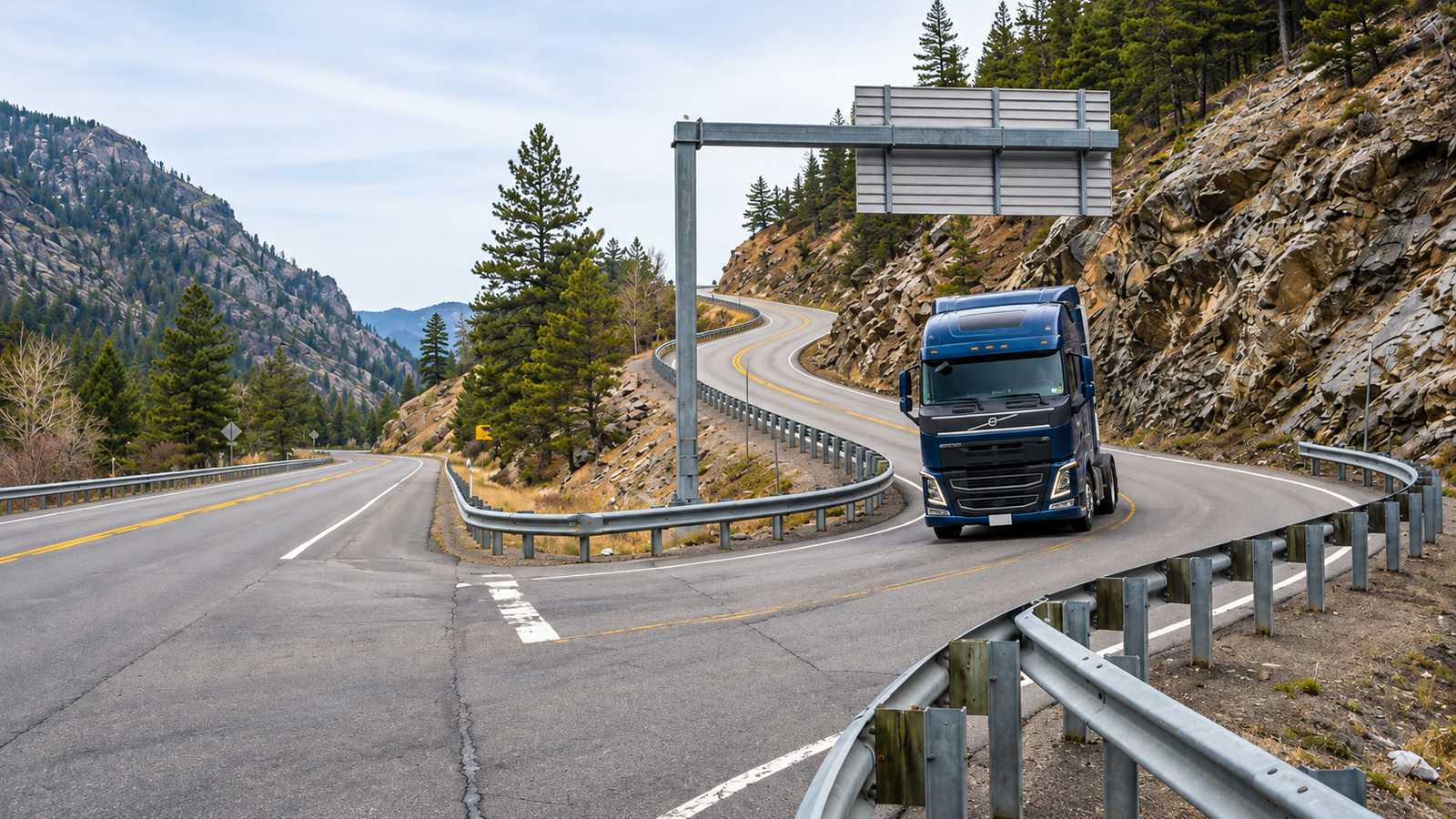
Teton Pass truck restrictions are tighter now, and the route call needs to happen before the climb. Wyoming’s new WY22 Safe Pass program has required self-certification for certain trucks and RVs on Teton Pass since October 1, so drivers and fleets need to check the state’s current conditions early and build an alternate before they get pinned at the base.
That matters because this is the kind of rule that burns time at the worst possible spot: right before a steep mountain crossing, with a clock running and no good place to fix a bad plan.
What it means for drivers and fleets
For a solo driver or a small outfit running one or two trucks, this turns Teton Pass into a yes-or-no route decision that needs to happen before the truck starts climbing. If the truck, trailer, load, or driver setup does not fit the state’s new safety expectation, the problem is not academic. It becomes a reroute, a late appointment, and a whole different day.
It also hits small carriers harder than big fleets. A bigger operation may have mountain-route policies already built in. A one-truck owner-op often makes that call on the fly, and that is exactly where last-minute routing mistakes happen.
Who needs to self-certify before Teton Pass?
Wyoming’s WY22 Safe Pass program has been in effect since October 1, 2026. It requires drivers of RVs, any vehicle towing a trailer, and any vehicle rated at 10,000 pounds or more to complete a free online safety course and self-certify before crossing Teton Pass on Highway 22. Most commercial trucks fall into that 10,000-pound bracket without question.
The course takes about five minutes, has no final exam, and is done at safepass.wyoroad.info. Certification is good for one year. WYDOT put the program in place after a string of serious crashes on the pass, including a July 7 multi-vehicle collision involving a dump truck that lost brake control.
That does not mean every truck is automatically out. It means a lot of guys need to stop treating Teton Pass like a casual shortcut. On a steep route, “I’ve done mountain roads before” is not the same thing as having the current certification on file before the day the truck needs it.
A smart move here is simple:
- Complete the self-certification at safepass.wyoroad.info before the trip, not at the base of the pass.
- Look at the truck, trailer, load, brakes, and driver experience honestly.
- Decide early whether the route still works or whether the truck needs an alternate.
- Keep dispatch, the shipper, or the receiver in the loop if the mountain route drops out.
That early call matters for another reason too: WYDOT says drivers who haven’t certified can be cited for ignoring a posted restriction, and enforcement can catch an uncertified truck during a stop for an unrelated issue. The delay from a turnaround is not just miles. It can mean missed delivery windows, extra fuel, and a scramble for parking later in the day.
How do drivers avoid a bad reroute at the bottom of the grade?
Most routing mistakes on mountain roads happen too late. A driver follows the original plan, gets close to the pass, then finds out the truck is not a fit for the route or the conditions have changed. By then, every alternate feels expensive.
The better move is to build two plans while there is still room to choose. One is the intended route. The other is the cleanest alternate that keeps the truck on commercial-safe roads, protects drive time, and still leaves some parking options at the far end.
That is also where route planning matters more than raw miles. A detour can still be the better day if it avoids a mountain crossing the truck is not set up for. A lot of drivers would rather add time early than hit a dead-end decision after the grade starts.
If the reroute pushes the stop later than expected, it helps to check truck parking near the route before hours get tight. Parking availability changes fast, and having both crowd-reported availability and reservable parking in mind makes a rough detour easier to live with.
Which alternate plan makes the least mess of your day?
Once Teton Pass is off the table, the next problem is not just mileage. It is fuel, break timing, weather, and where the truck lands when the day is done. A reroute that looks fine on a map can still wreck the schedule if it pushes fuel and parking into bad spots.
Most drivers rebuild the trip in this order:
- Pick the commercial-safe alternate first.
- Check current road and mountain conditions along that route from official state sources and posted notices.
- Move fuel stops to match the new path.
- Re-check parking near the end of shift, not where the original route would have ended.
That last step matters more than guys think. A reroute often shifts the whole day by enough that the old parking plan is useless. If the pass was going to save time and now it does not, the truck may end up hunting for a place to stop in a totally different corridor.
For drivers rebuilding the route from scratch, a truck route planner helps sort out commercial-safe alternates before the day gets away from them.
Frequently Asked Questions
What are the current Teton Pass truck restrictions?
The key change is Wyoming’s WY22 Safe Pass program, in effect since October 1, 2026. It requires self-certification for RVs, any vehicle towing a trailer, and vehicles rated 10,000 pounds or more before crossing Teton Pass. Most drivers need to complete the free course at safepass.wyoroad.info and check posted restrictions before heading that way.
Does this mean all semi trucks are banned from Teton Pass?
No, it is not a blanket ban. It is a certification requirement. A qualifying truck that completes the free five-minute course and self-certifies can still use the pass. The risk is for drivers who skip certification and get caught at a stop or checkpoint.
What does “self-certification” mean on Teton Pass?
It means the driver completes WYDOT’s free online safety course at safepass.wyoroad.info, which takes about five minutes and has no final exam, and the certification is valid for one year.
Do drivers need a permit, and what happens if they get it wrong?
This is a certification requirement, not a paid permit. WYDOT says drivers who haven’t certified can be cited for violating a posted restriction, and that can surface during a stop for an unrelated issue. Getting certified ahead of time avoids that risk entirely.
What tool helps drivers rework the route fast if the pass is off limits?
When Teton Pass drops out of the plan, a lot of drivers use Trucker Path to rebuild around commercial-safe routing, fuel stops, and truck parking. The app also helps with parking availability through crowd reports and reservable parking, which matters when a mountain reroute pushes the whole day later.
Summary
- Wyoming’s WY22 Safe Pass program has required self-certification for certain trucks and RVs on Teton Pass since October 1, 2026.
- It applies to RVs, any trailer-towing vehicle, and vehicles rated 10,000 pounds or more — a free, five-minute course at safepass.wyoroad.info, valid one year.
- The most expensive mistake is finding out near the grade that the truck isn’t certified.
- Most drivers are better off certifying and checking the route early, then building an alternate before they reach the approach.
- Fuel, parking, break timing, and the end-of-day stop all need a second look once the route changes.