DataQs Is Now Standard in All 50 States: What Changed
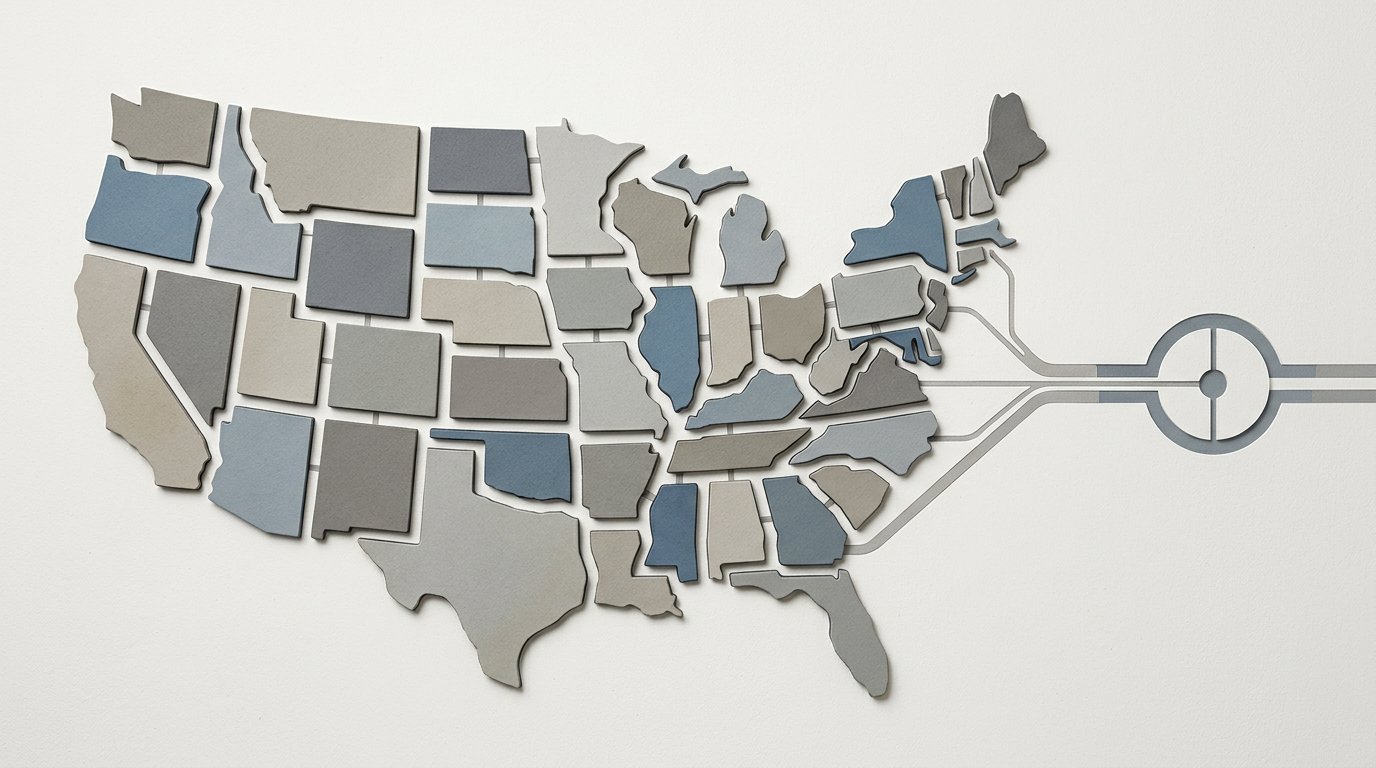
DataQs review requirements now apply the same way in all 50 states. That does not erase a bad inspection record by itself, but it gives drivers and fleets a more consistent path to challenge information that looks wrong. The real job is building a clean, fact-based file before sending anything in.
FMCSA announced Oct. 16 that all 50 states, D.C., and U.S. territories have now implemented the reformed DataQs review process. According to TheTrucker’s report on the rollout, the process is now being handled under the updated review standard nationwide. That gives fleets one less excuse for mixed handling from one state to the next.
What it means for drivers and fleets
If a roadside inspection tags the wrong unit, lists the wrong condition, or ties a violation to facts that do not match what happened, that bad entry can keep showing up when a carrier is trying to explain its operating record. For a small fleet, one disputed record can lead to extra calls with shippers, brokers, insurance partners, or internal safety staff.
This lands differently on a solo driver and a small office team. The driver feels it first at inspection time. Later, someone has to sort through logs, repair notes, photos, messages, and trip details to show what the record got wrong. Now that all 50 states follow the revised DataQs review requirements, the filing standard is more consistent nationwide, but the burden of proof still sits with the carrier putting the file together.
What actually changed in the revised DataQs review process?
This is more than a consistency update — FMCSA rebuilt how a challenge gets decided:
- Three-stage review, with real separation of roles: the initial decision to deny a correction can no longer be made solely by the same officer who wrote the original report. A request for reconsideration goes to subject matter experts who were not part of the first decision. A final review, if it gets there, goes to a senior decision-maker or an independent panel.
- Set deadlines instead of open-ended waiting: initial reviews and reconsideration decisions each have a 21-day deadline, and final reviews have a 45-day deadline.
- Clear filing windows: states must review challenges filed within 3 years of an inspection or 5 years of a crash.
- Real points of contact: each state has to designate contacts for inspection-related and crash-related requests.
- Decisions have to show their work: states must provide a detailed explanation of the decision, including what evidence was reviewed and what options the carrier has next.
For fleets, that changes the job from “figure out how this state handles it” to “build one repeatable file package every time, and hold the state to its own clock.” In practice, that means keeping the same checklist for each challenge: identify the exact line item in dispute, match it to supporting records, make the timeline easy to follow, and note the filing date so the 21/45-day clock can actually be tracked.
When does a driver actually have a strong DataQs case?
Not every frustrating inspection belongs in DataQs. A request makes more sense when the record itself looks wrong, incomplete, or tied to facts the driver and carrier can document clearly.
Common examples include the wrong vehicle information, a violation entered in a way that does not match the paperwork on hand, or an inspection detail that can be contradicted by service records, photos, or other trip documents. If the whole argument is just “that officer was unfair,” the reviewer has very little to work with.
A stronger question is this: What specific part of the official record is wrong, and what proof shows that? If the answer is vague, the filing usually needs more work before it goes in.
Here is a realistic example. Say an inspection report lists a trailer number that was not attached to the truck that day. A strong challenge would line up the inspection report, dispatch notes, trailer records, and any photo or message that places the correct trailer with the truck. Another example is a maintenance-related violation where the carrier has a dated repair order and timestamped photo tied to the same equipment item. Those are the kinds of details that give a reviewer something concrete to compare.
How do small fleets build a DataQs packet that is easy to review?
This is where most of the outcome gets shaped. A strong challenge starts by matching the disputed item to a specific document, photo, or timestamp.
Most fleets are in better shape when they pull together a simple packet like this:
- The inspection report with the exact item marked
- Photos taken close to the time of the inspection
- Repair orders, shop notes, or maintenance records tied to that issue
- Driver statements that stick to facts, not opinions
- Trip details that show where the truck was, what trailer was attached, and what happened before and after the stop
Short, factual writing helps. “Brake chamber replaced before dispatch; attached repair record and timestamped photo” is stronger than a long complaint about the stop.
It also helps to line up the sequence of events. If the challenge involves equipment condition, the reviewer needs to see when the problem was found, what was repaired, and how that timing connects to the inspection. If the challenge involves identity or vehicle mix-up, the file needs unit numbers, trailer number, and anything else that separates one truck from another.
A lot of small fleets lose time because the records sit in three places. Maintenance has one piece, dispatch has another, and the driver phone has the photos. A cleaner process is to gather everything into one timeline before filing. Even basic trip records, fuel receipts, or stop history from normal operations can help confirm where the truck ran that day. If a carrier needs supporting trip context, it can also help to compare records with normal route-planning history from tools like a truck GPS app built for commercial routing, live parking and stop history, or stop details from truck stops near me.
Frequently Asked Questions
Does this update mean DataQs got easier?
Not exactly. The news means all 50 states now follow the revised review requirements, so the process is more consistent nationwide. The hard part is still the same: the driver or carrier needs clear documentation that shows what in the record is wrong.
Can an owner-operator file, or is this mainly for larger fleets?
Owner-operators can file when they have a legitimate record challenge and the paperwork to support it. Bigger fleets usually have more admin help, but the process matters just as much to small operations because one bad record can create a lot of extra work.
What kind of proof carries the most weight in a challenge?
Records that directly match the disputed item usually carry the most weight. Think inspection paperwork, maintenance records, dated photos, and a factual timeline that ties the evidence together. The closer each record is to the event in question, the easier it is for a reviewer to follow the file.
How long does a DataQs review actually take now?
Under the revised requirements, initial reviews and reconsideration decisions each have a 21-day deadline, and a final review has a 45-day deadline. States must also provide a detailed explanation of the decision, including what evidence was reviewed.
How can a fleet keep better trip records before the next dispute happens?
A lot of carriers do better when they keep route history, stop details, and driver movement organized from the start instead of trying to rebuild everything later. That is one practical reason some small fleets keep using Trucker Path as part of day-to-day trip planning and recordkeeping.
Summary
- FMCSA confirmed Oct. 16 that all 50 states, D.C., and U.S. territories now comply with the revised DataQs review requirements.
- The reform adds a real three-stage review, set 21/45-day deadlines, and 3-year/5-year filing windows.
- The big shift for drivers and small fleets is consistency and a clock states have to answer to, not automatic removals.
- Strong DataQs filings focus on one disputed record item and back it up with documents, photos, and a clean timeline.
- Weak filings usually fall apart when the records do not match, the timeline is unclear, or the complaint stays too general.
If keeping trip records straight is half the battle, Trucker Path can help carriers keep day-to-day route and stop details organized before the next paperwork dispute starts.